Storyteller, Academic, Insurgent
For further information see:
www.iamnasrine.com
www.bridgeandtunnelproductions.com
www.imdb.com/name/nm1314401/
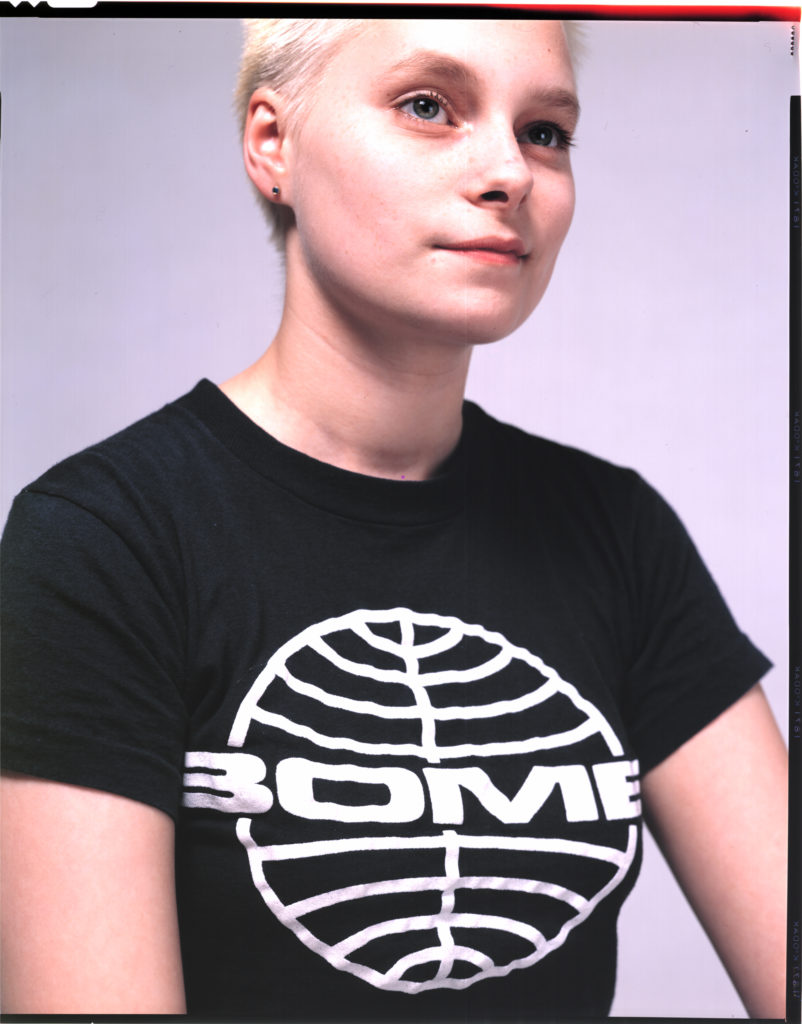
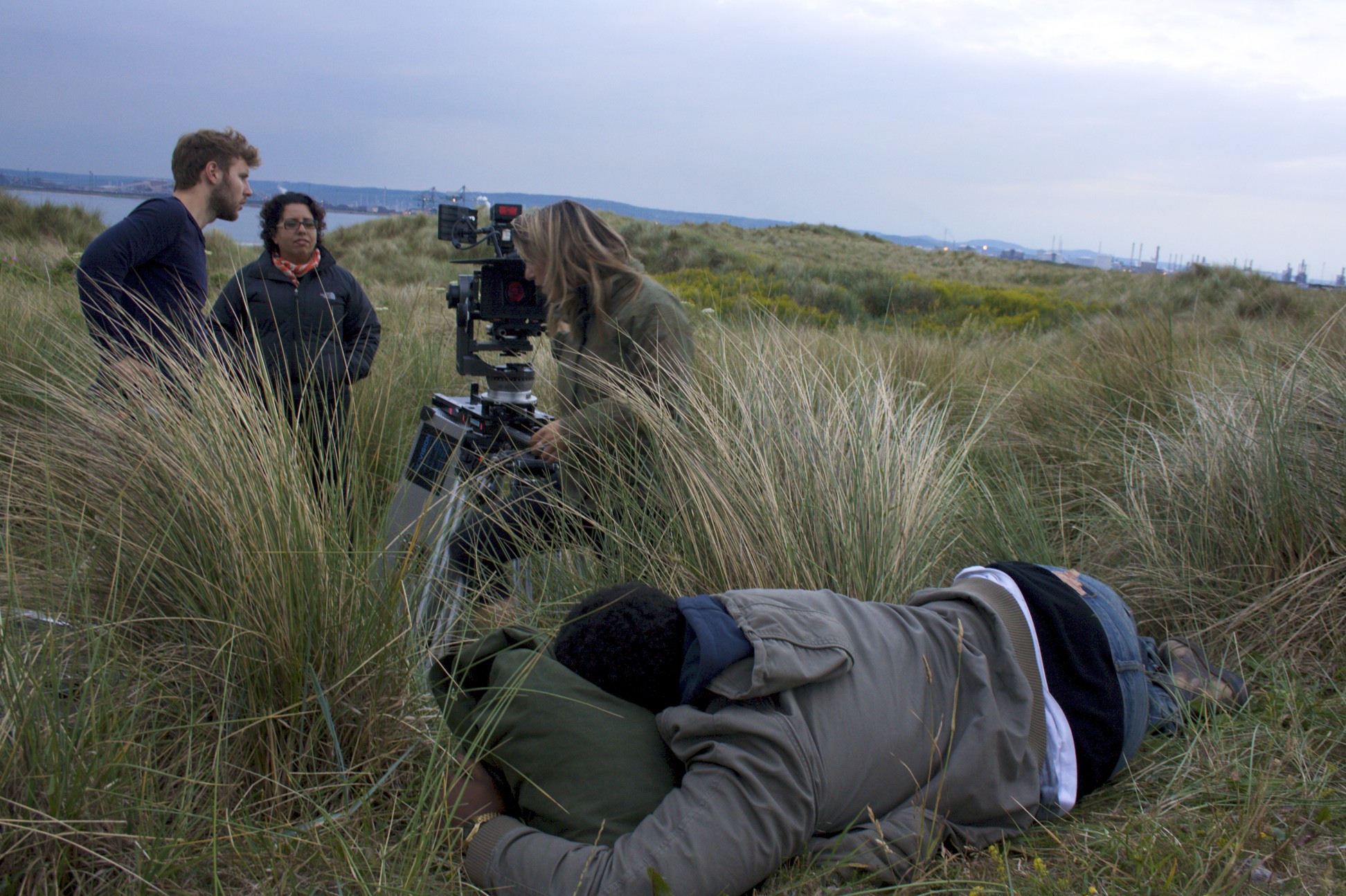
Tina Gharavi is a BAFTA-nominated filmmaker, born in Iran, initially trained as a painter in the United States, later studying cinema in France. She is noted for innovative cross-platform work, working both in documentary and fiction, and has garnered the attention of the film industry through her acclaimed first feature, I Am Nasrine, released in 2012. Movie Scope magazine, named her one to watch and Gharavi was selected by the Film Council as an up-and-coming British director as part of the Film Council’s Guiding Lights initiative where she was mentored by Beeban Kidron.
Fearless in her approach to storytelling, her work has been broadcast internationally and her installations exhibited at museums around the world. Her focus has consistently been risk-taking, imaginative in its perspective, attempting challenging topics in places as diverse as Yemen, Sudan, Iran and Palestine.
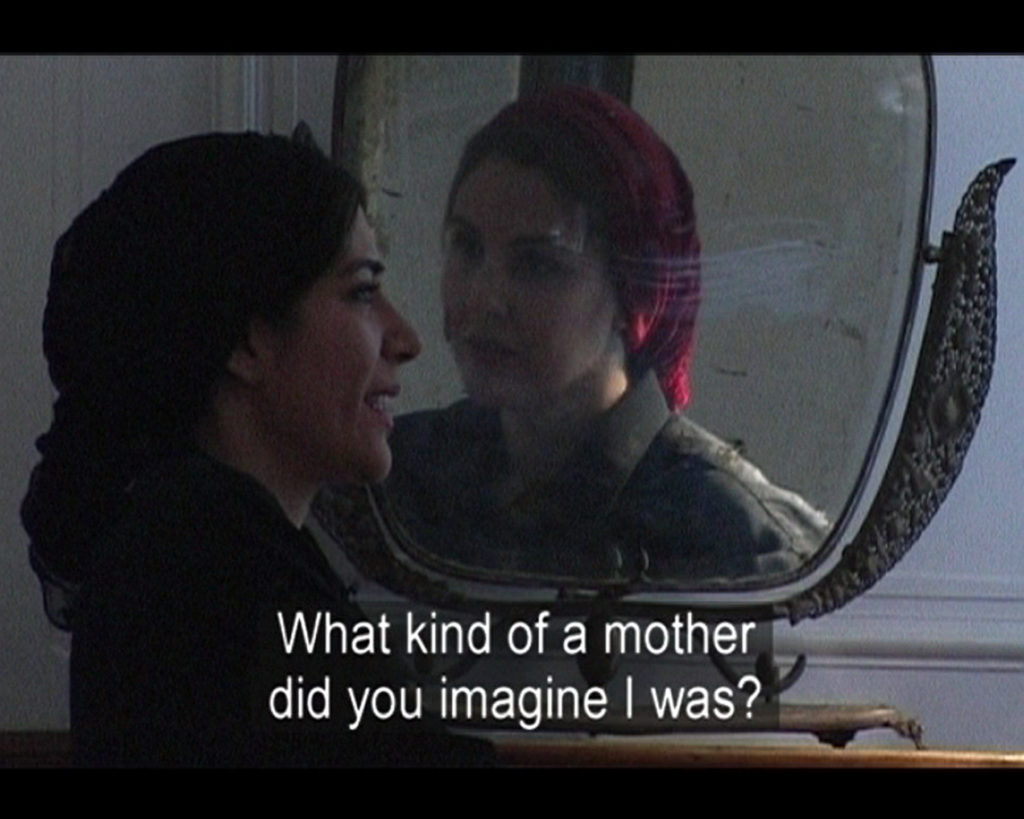
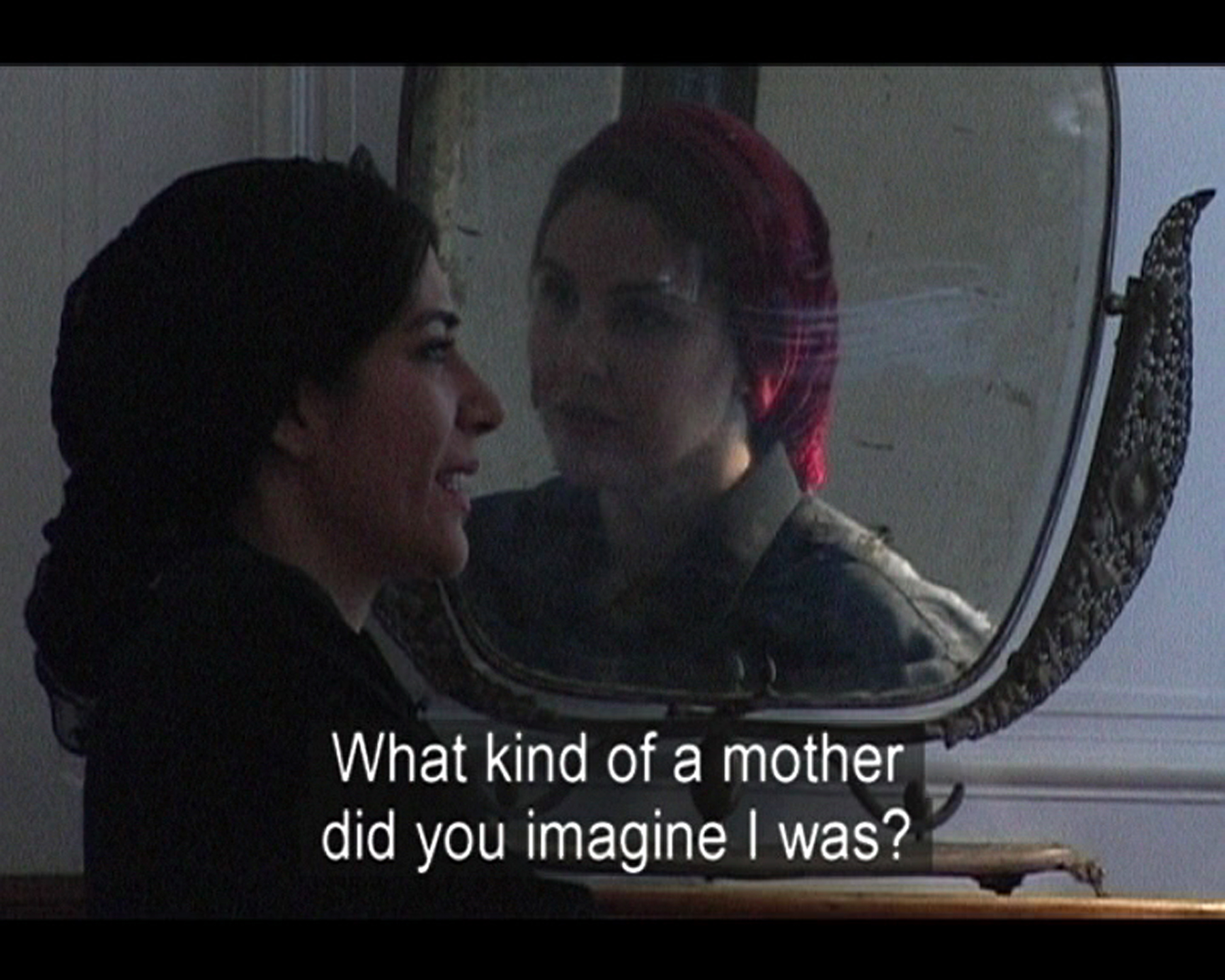
Gharavi established Bridge + Tunnel, an award-winning media production company, in Newcastle, England to support “unheard voices, untold stories”. Her first 35mm short film, Closer, was an official selection at Sundance where programmer, Shari Frilot, noted that ‘it takes documentary to the next level.’ Gharavi’s next major production chronicled her return to her mother’s house in Iran, 23 years after the Islamic Revolution. The resulting film, Mother/Country, was broadcast at prime time on Channel 4 in the UK where the national press gave it top billing and the London Evening Standard described it as “genuinely moving.” Her work often explores “the outsider” while always appealing to a mainstream audience.
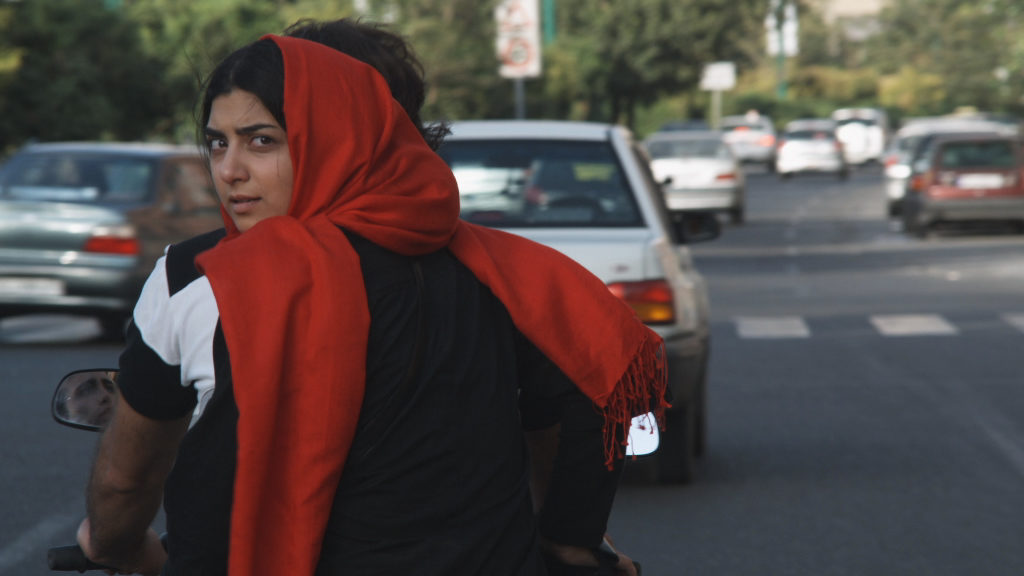
I Am Nasrine, is currently on release and is a coming of age story of two teenage Iranian refugees. Sir Ben Kingsley called it “a life enhancing film... An important and much needed film” and received the Outstanding Debut nomination from BAFTA in 2013.
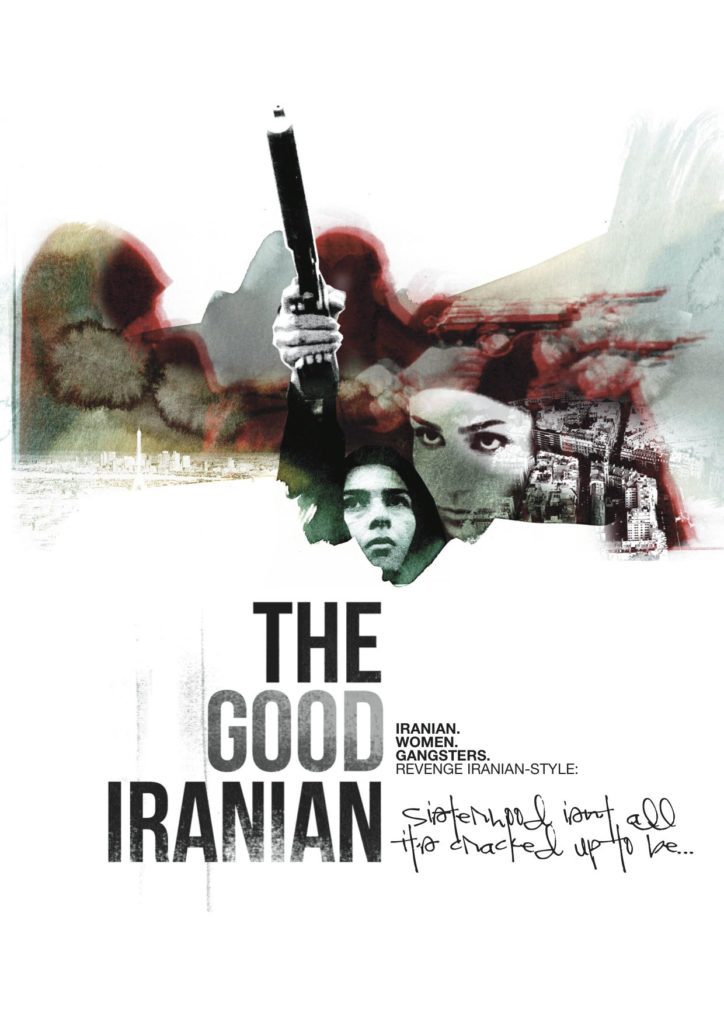
Gharavi is now
working to develop more features in line with her interests in the Middle East,
women and gangsters.
She is represented by Independent Talent.
Syrian Project: Bearing Witness: How do we tell stories? How can we as filmmakers, photographers and...
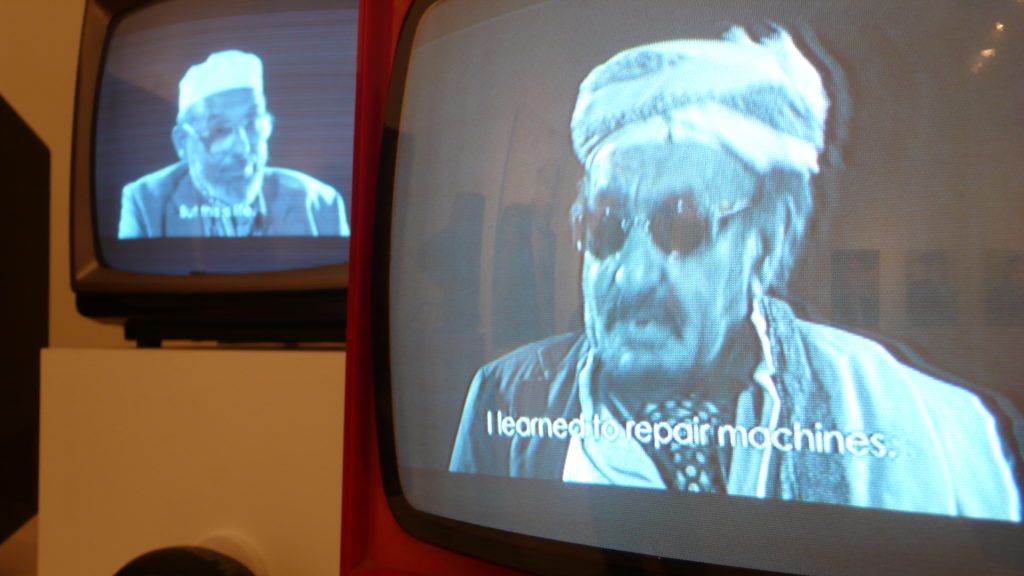
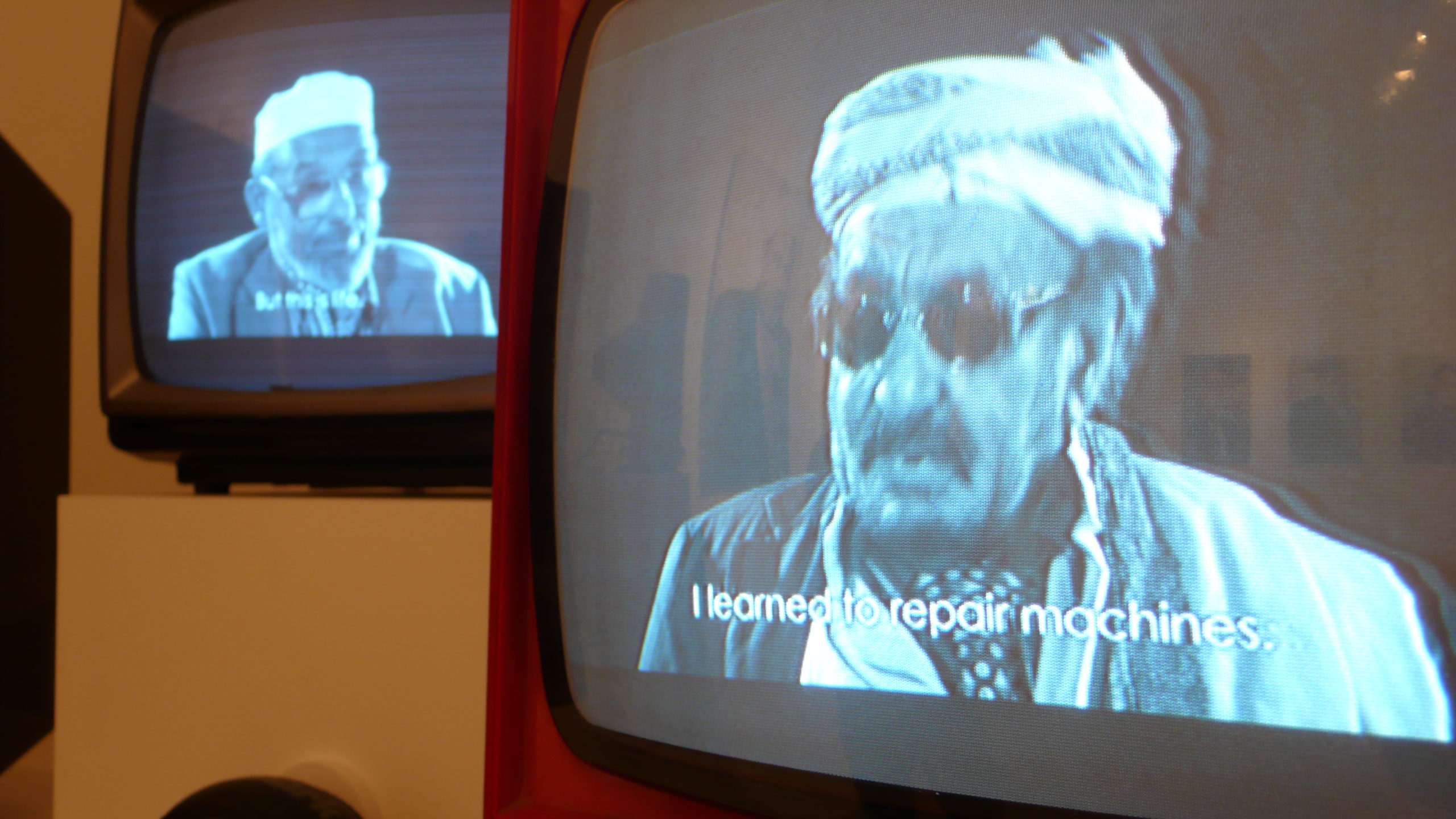
MR OBAYA, LAST OF THE DICTIONARY MEN
FOR MORE INFORMATION ABOUT THIS OR ANY OTHER WORK: http://www.bridgeandtunnelproductions.com
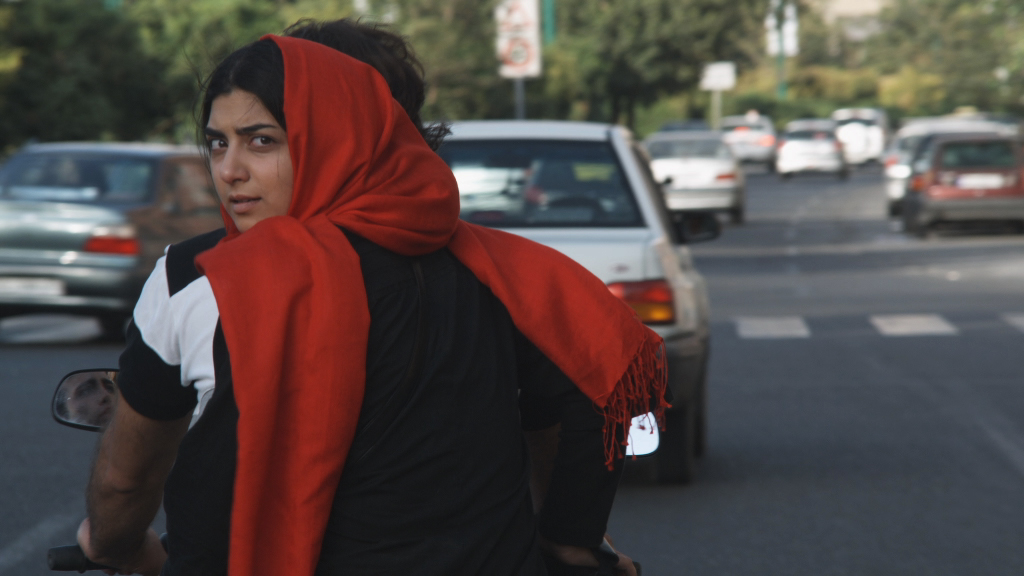
I Am Nasrine is an Iranian girl’s journey of self-discovery.
I Am Nasrine: A film about love, finding oneself and the eternal search for home.
Events throw Nasrine’s world into turmoil as circumstances beyond her control change her life forever.
In this coming of age story we meet a young woman who is doing her best to understand herself, deal with the consequences of the politics around her and find a better world.
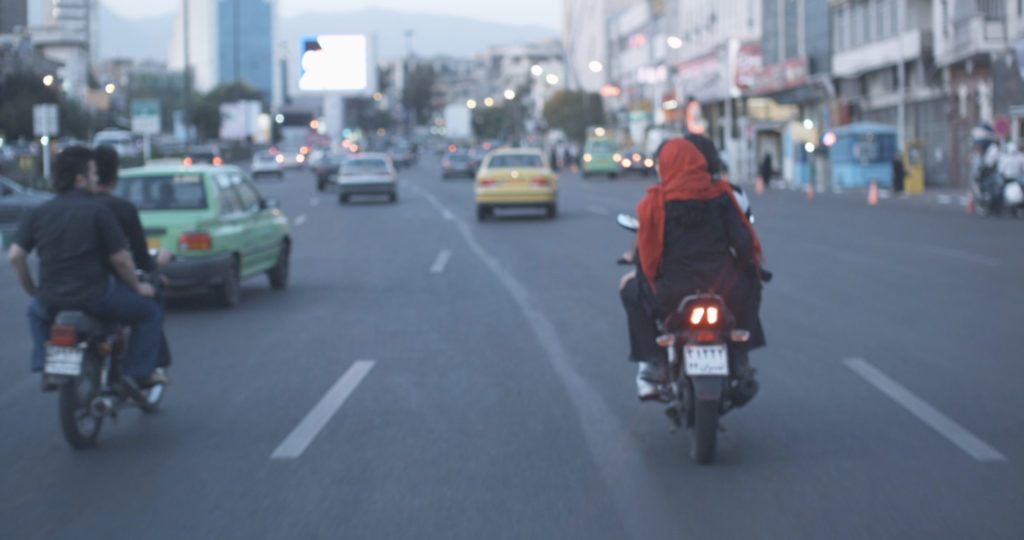
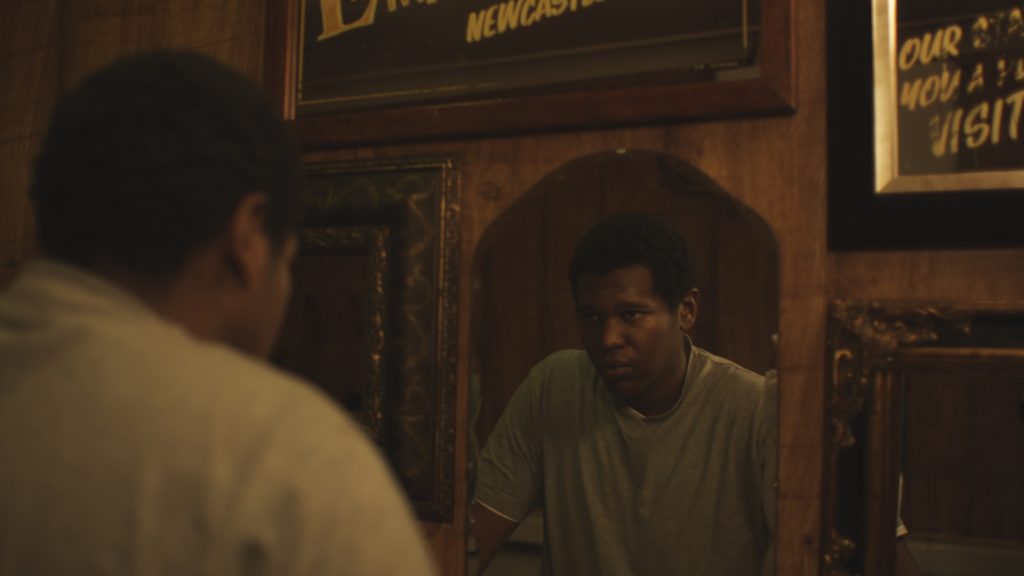
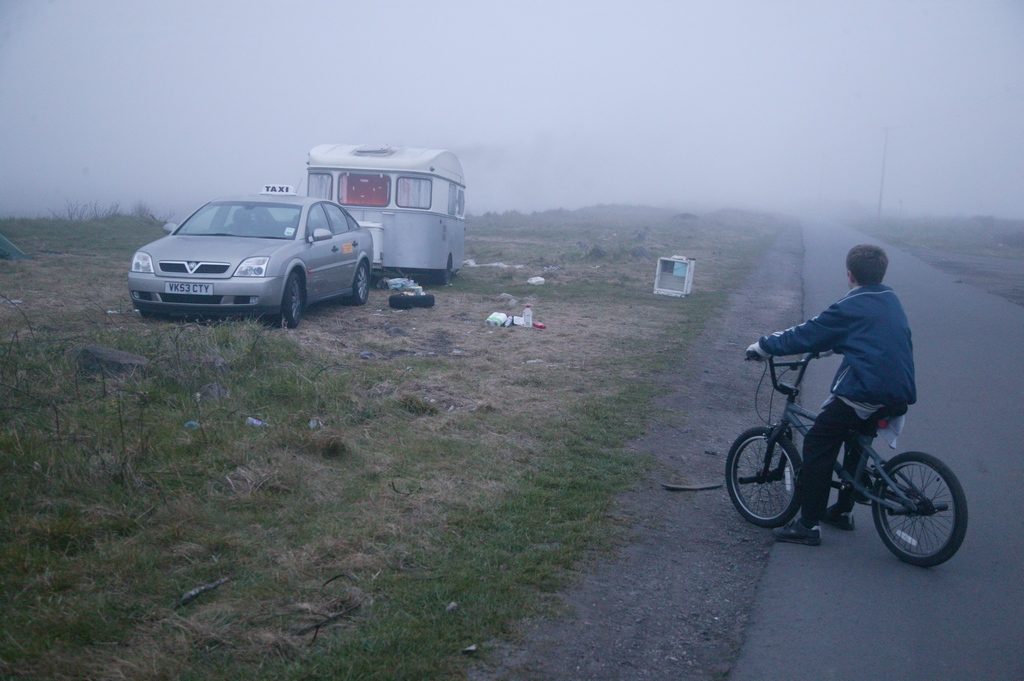
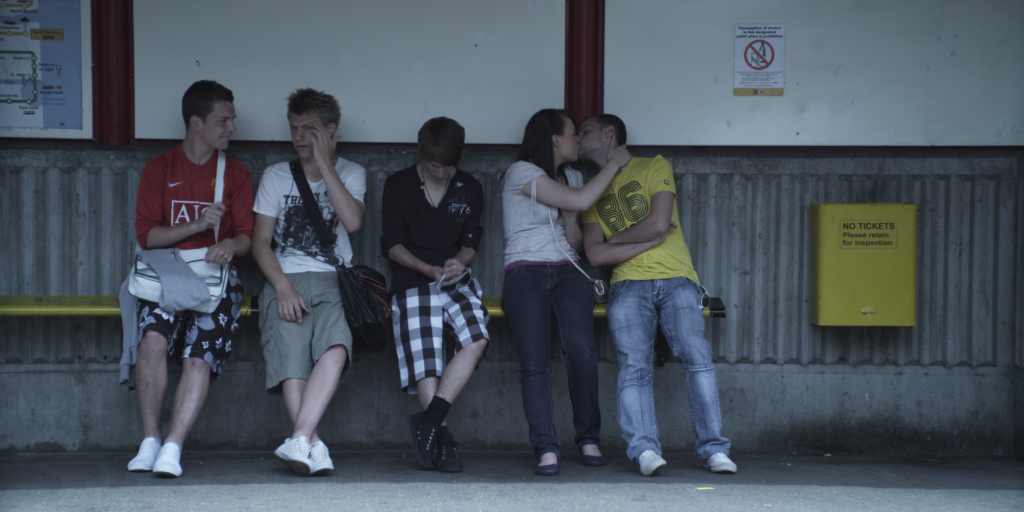
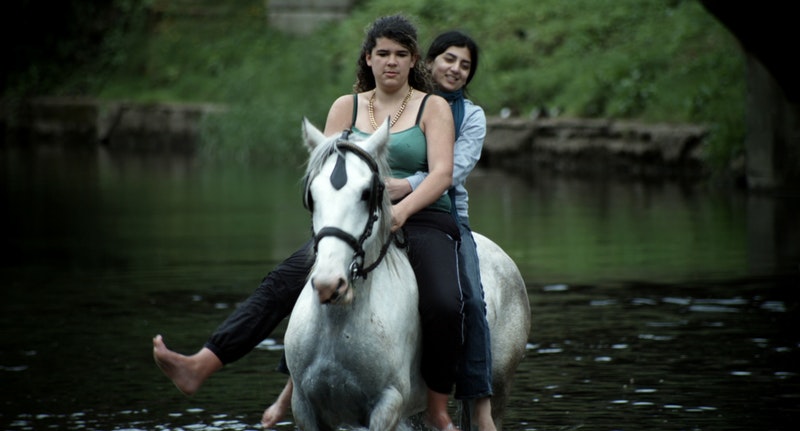
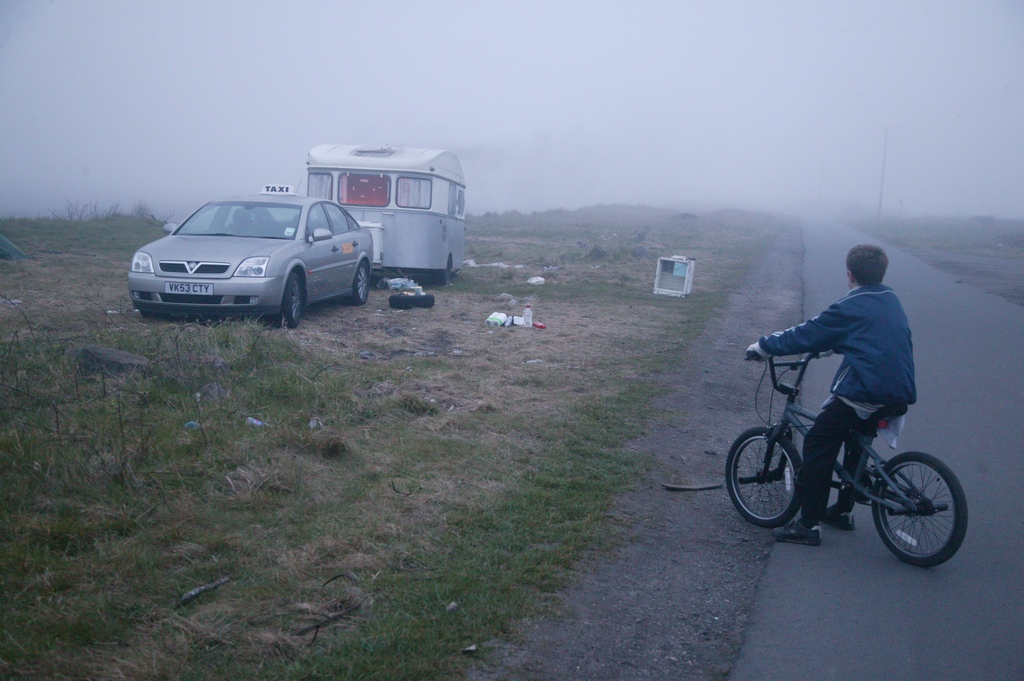
When you change where you are do you change who you are? I Am Nasrine is an intimate journey of self-discovery and ultimately reveals the unfolding of a soul. Set in modern day Tehran, and the UK, the film follows the paths of Nasrine and Ali, sister and brother in a comfortable, middle class Iranian home. When Nasrine has a run-in with the police, the punishment is more than she bargained for. At her father’s bidding, Nasrine and Ali set out for the UK, torn about leaving behind their home and all that they know, embarking on a reluctant exile. Still, for Nasrine, there is undeniable excitement about the prospect of starting a new life in the West, and an eagerness for its promise of new freedoms. Arriving in Britain, their fate and their future are far from certain. Nasrine is quick to settle into her new life, making friends, forming bonds, including Nichole from the gypsy/travelers community. All the while her brother Ali struggles with the realities of life in the UK and his awakening sexuality. Then comes 9/11. Their parents will be unable to join them in Britain, leaving them quite alone. Things spiral further out of control when an unimaginable tragedy occurs. Nasrine must discover an incredible courage within her to accept what fate has dealt her; discovering that the end of her journey is really just the beginning. Can hope, simple untainted hope, overcome the darkest of tragedies? I Am Nasrine explores these questions and more, and offers answers that are sure to surprise.
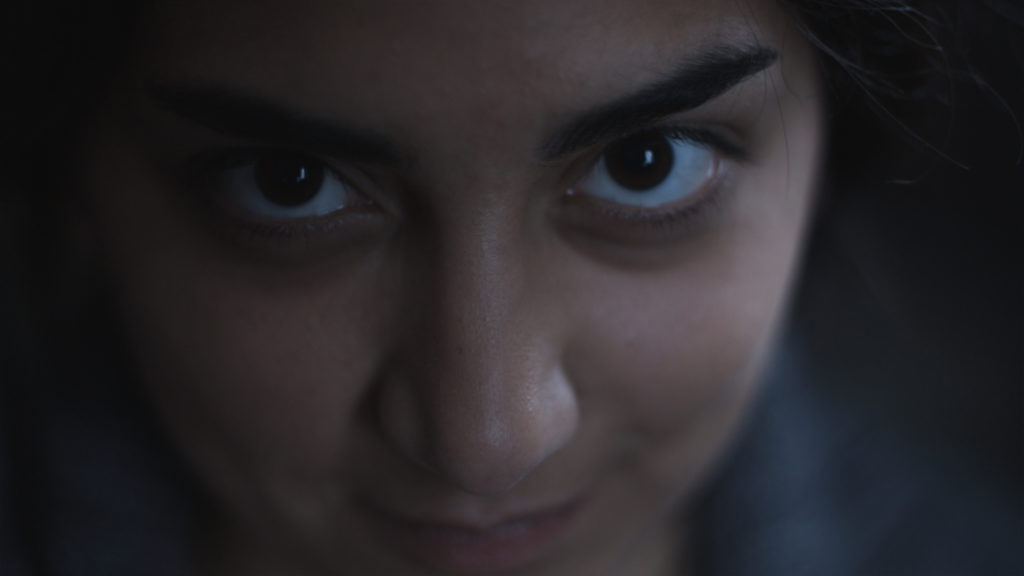
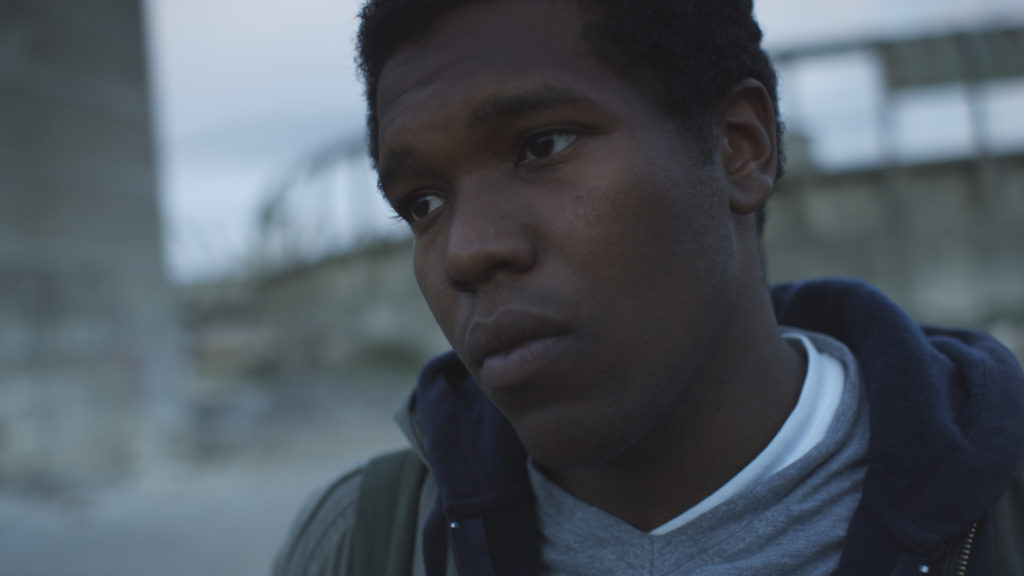
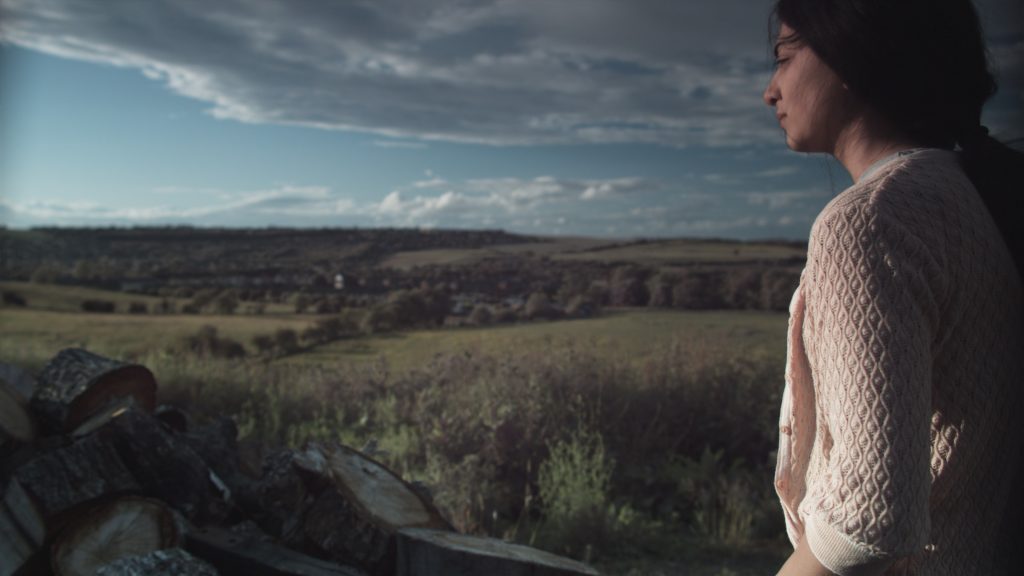
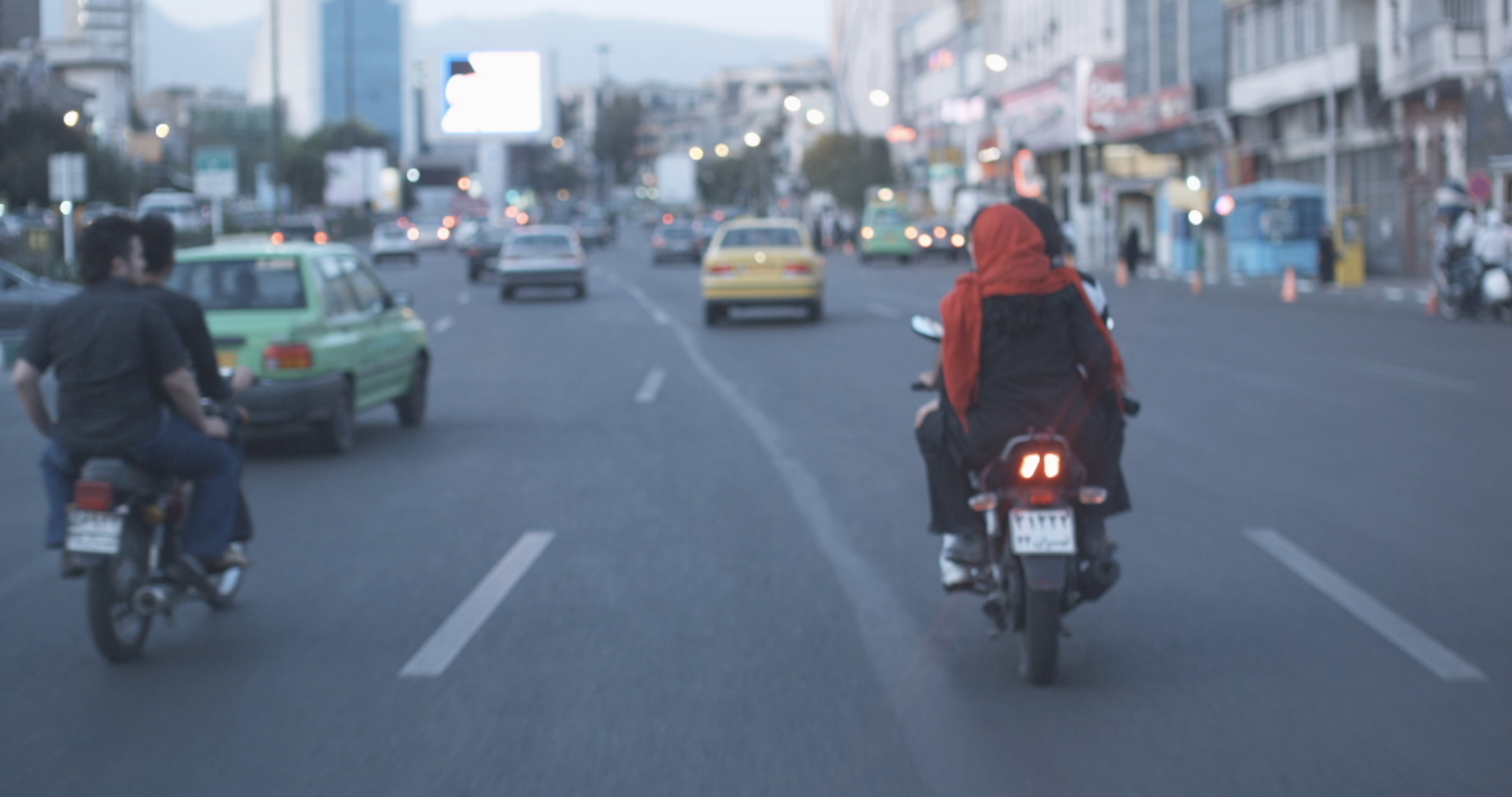
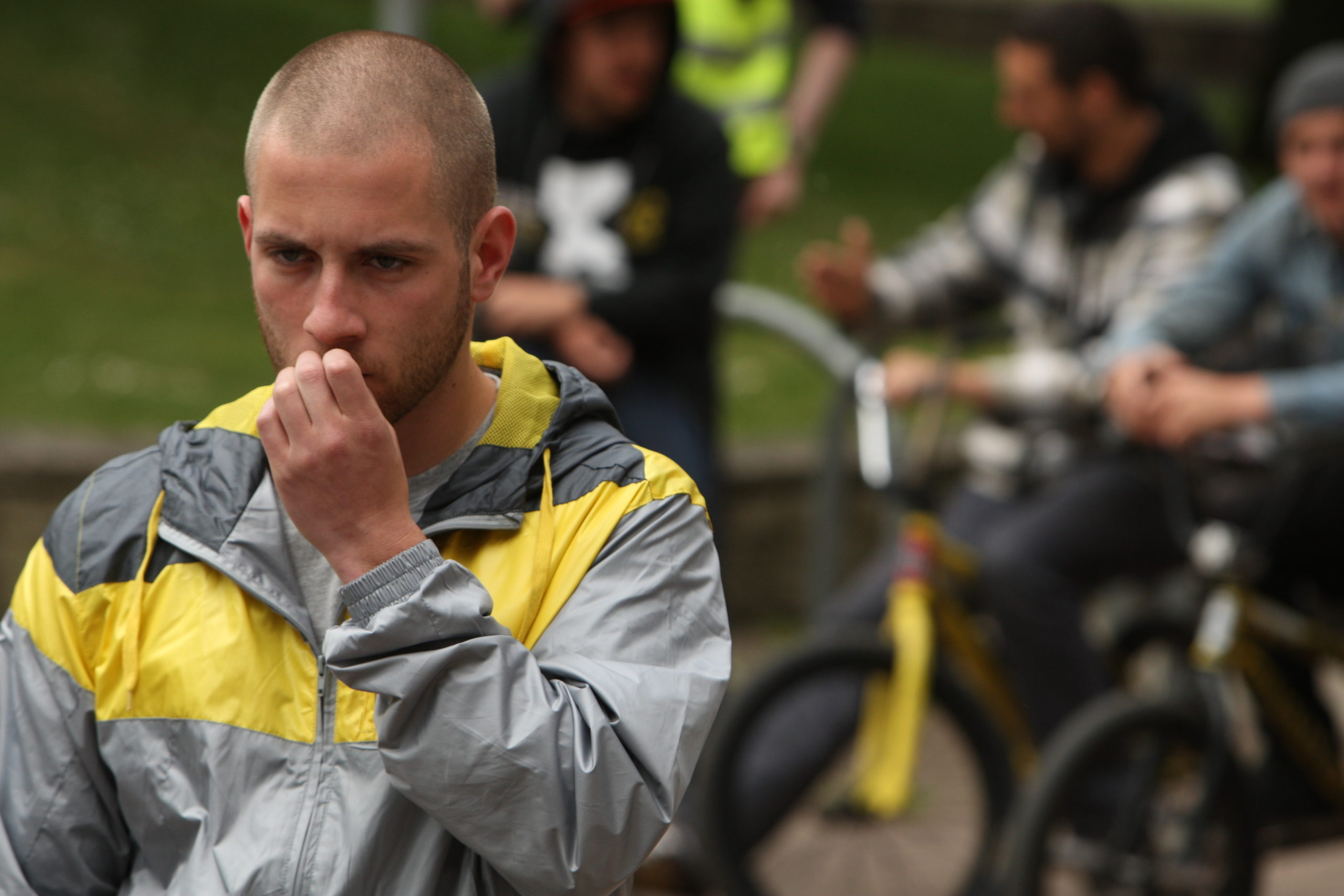
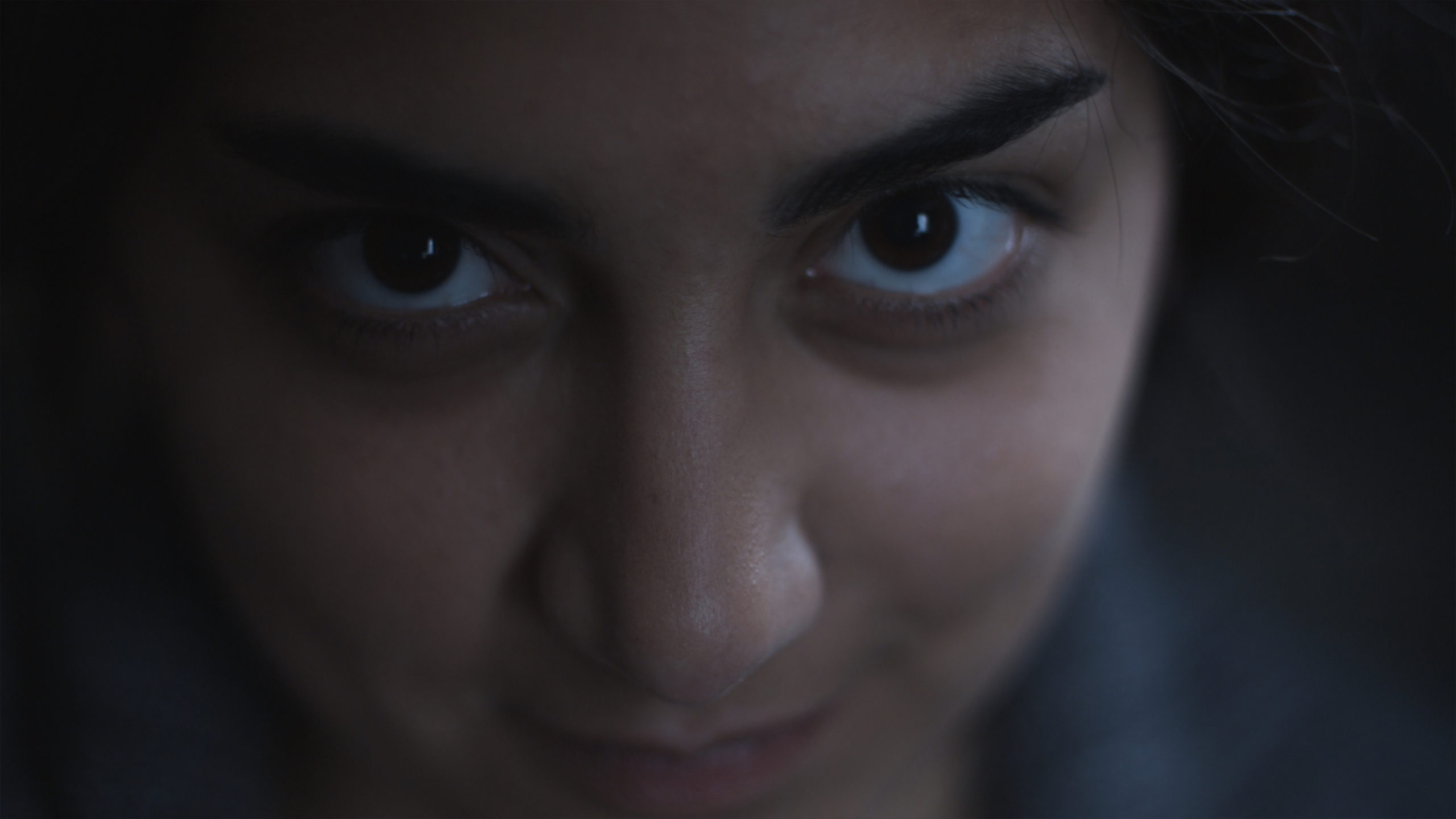
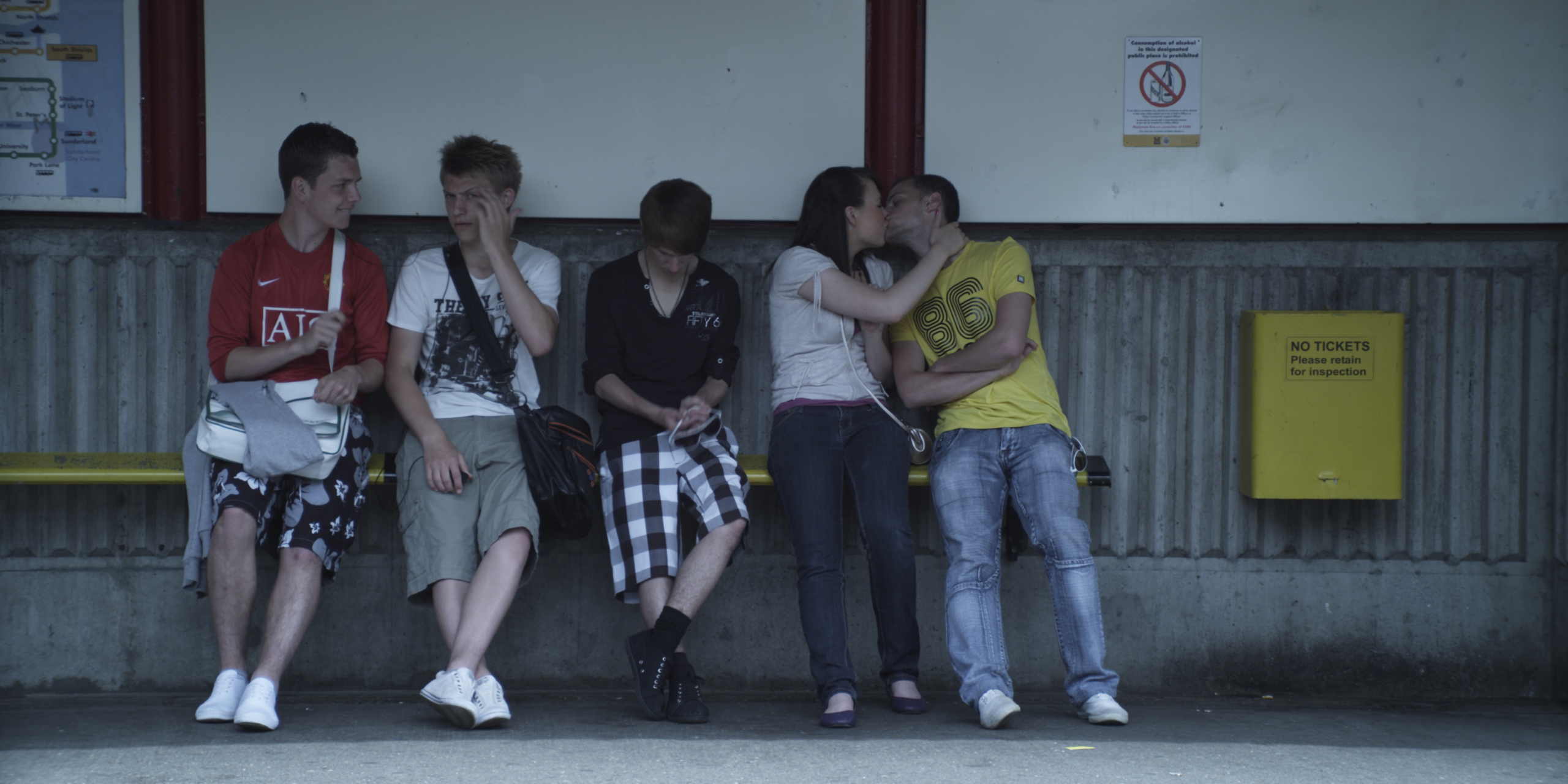
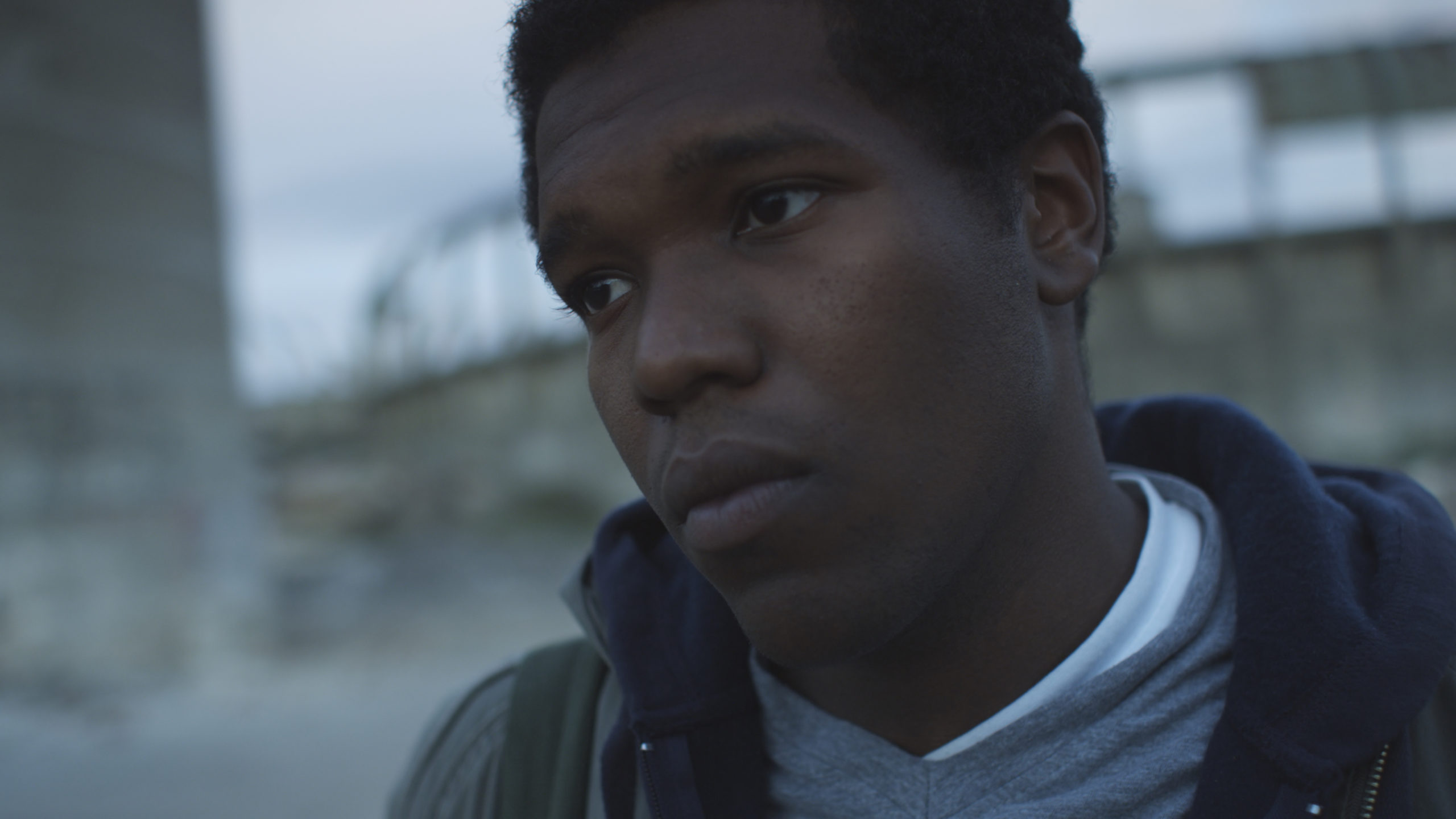
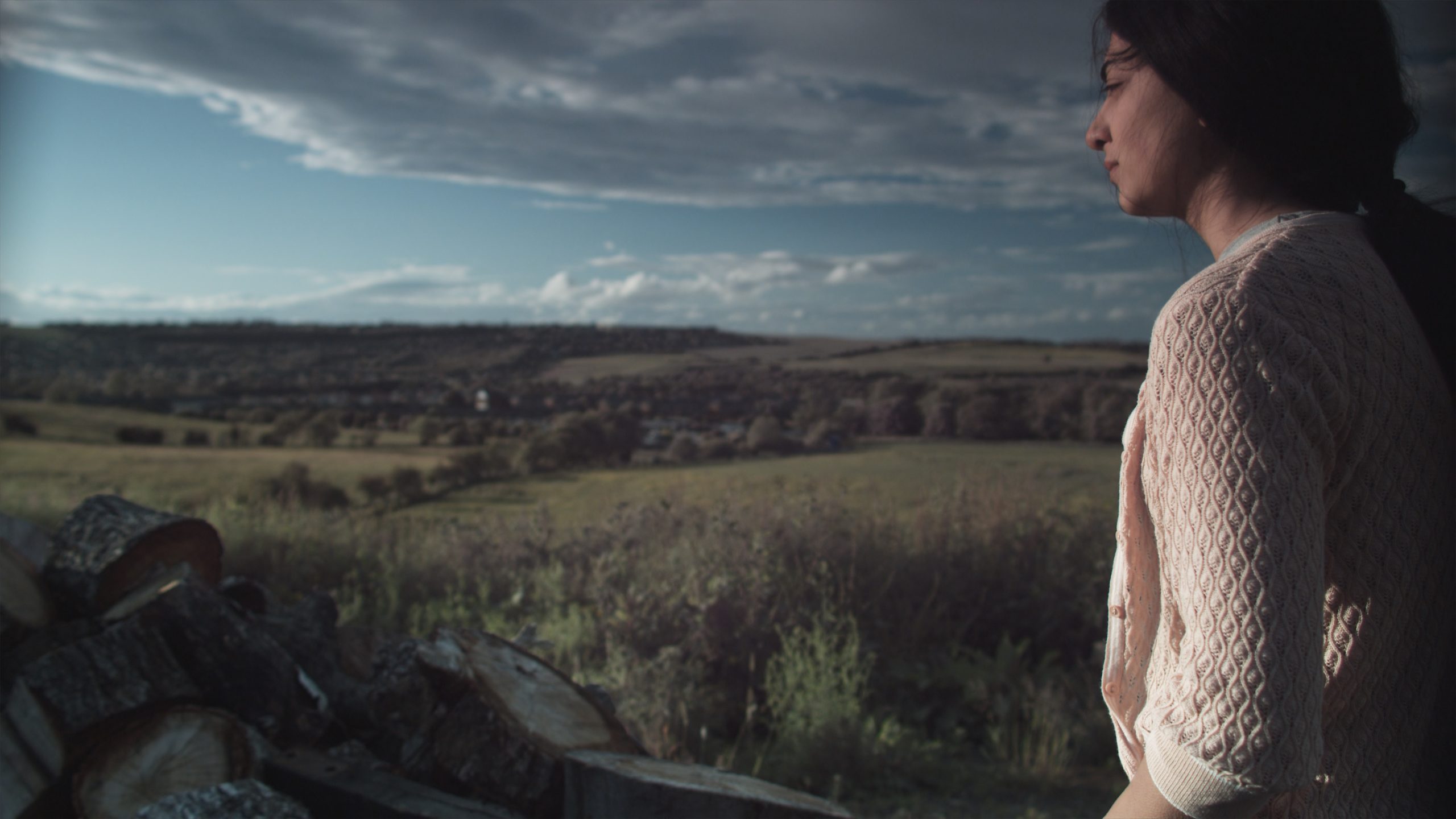
I AM NASRINE, 2012, Feature Film, still from film
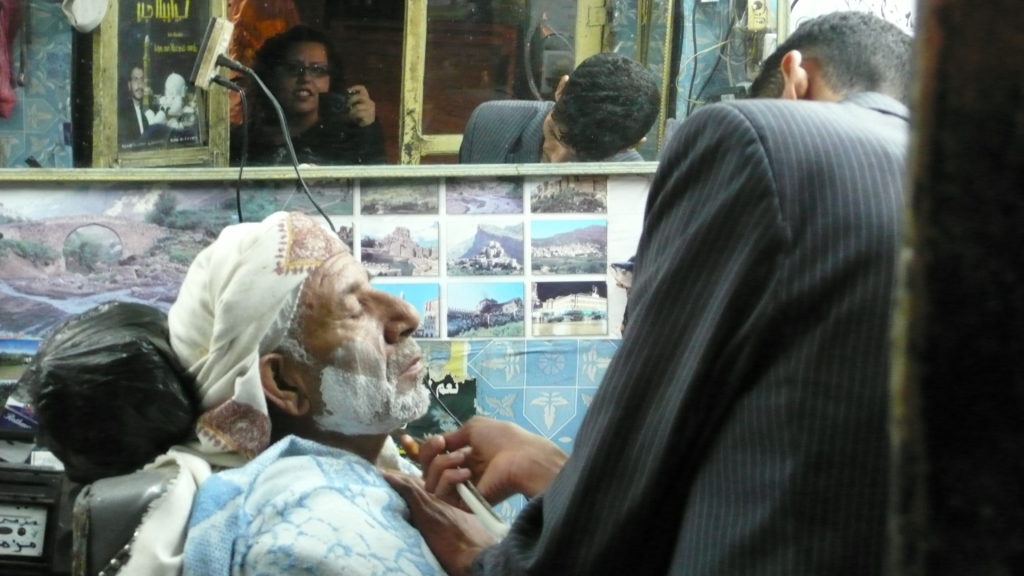
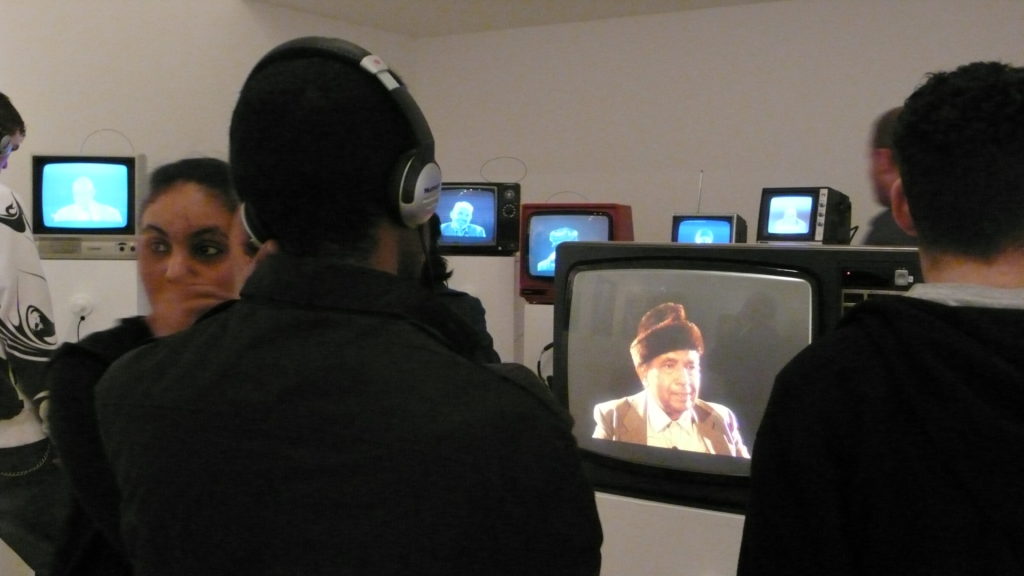
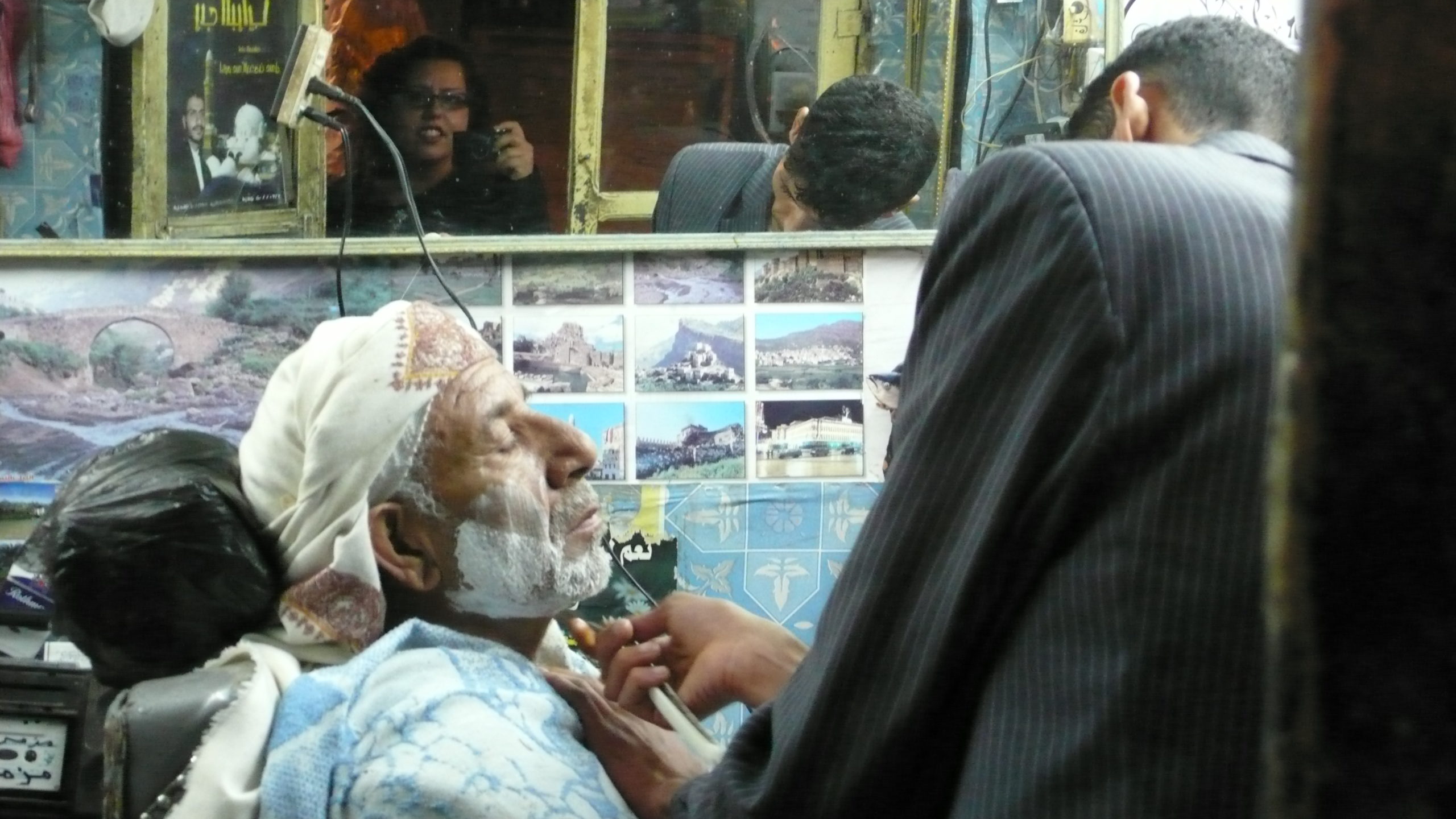
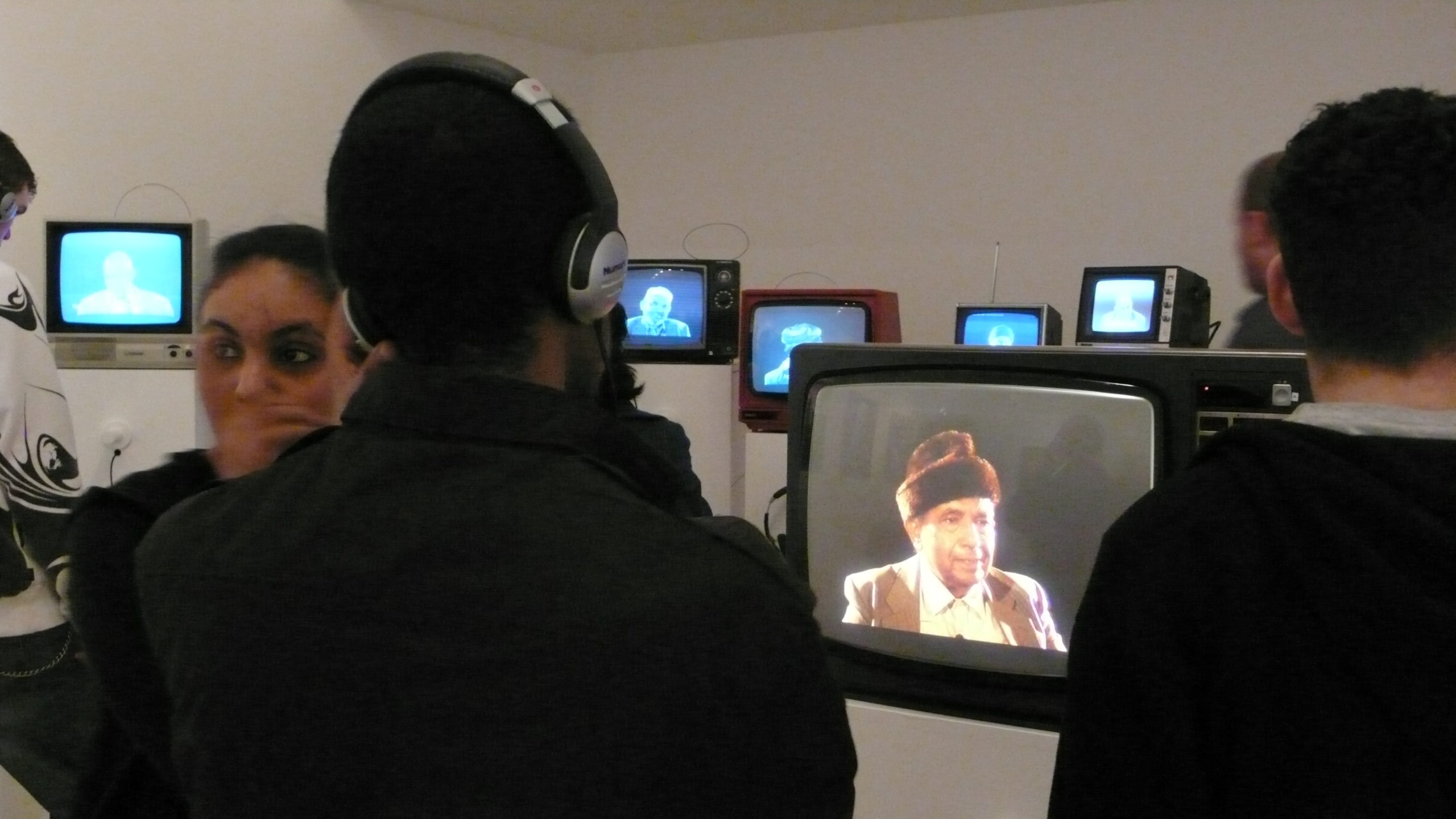
LAST OF THE DICTIONARY MEN, 2008, Touring exhibition (installation, photographic work, and documentary film)
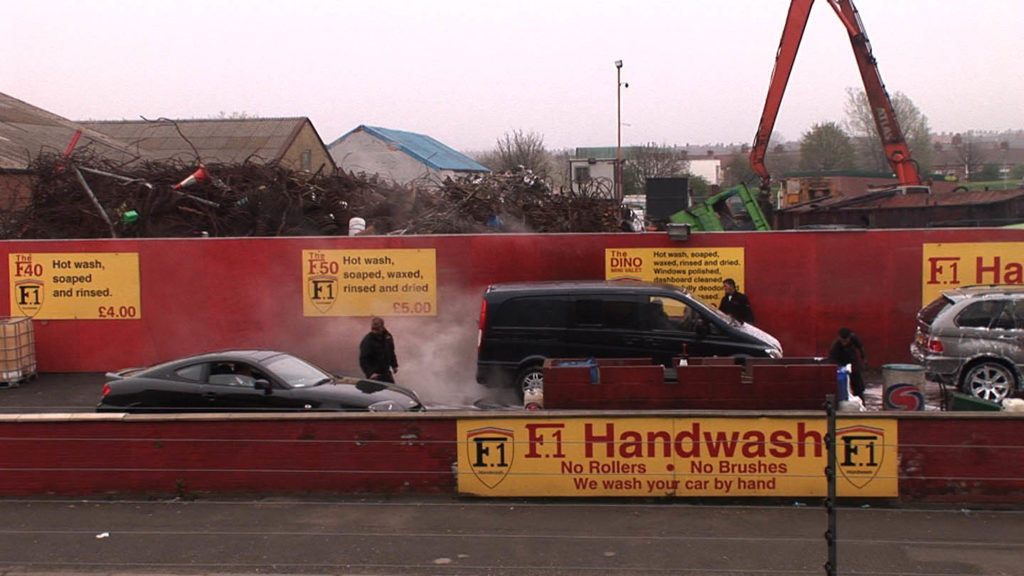
A multi-faceted project exploring the histories of the Yemeni community in South Shields. The North East boasts a proud maritime heritage that has all but disappeared from today’s landscape along the River Tyne. Within this heritage lies a remarkable Middle Eastern connection, South Shields is the Land of the Arabs! Over the course of 100 years, thousands of seamen from Yemen settled in the small town of South Shields, made it their home and successfully integrated into UK society. But now only 14 seafarers survive – they are the Last of the Dictionary Men, as people from Yemen are called in the Middle East, and filmmaker Tina Gharavi & photographer Youssef Nabil and the local Yemeni community have been involved in a race against time to preserve their history.
Over the course of 3 years, the team have worked closely with these seamen, bringing their stories to life and capturing the heritage of the oldest settled, Arab and Muslim community in Britain. This is an inspiring story on many levels. The film shows how strikes and industrial unrest in the 1930s ended with hundreds of Yemeni men from Tyneside serving at sea during the second world war. More than 700 never returned. Since then, the area has witnessed events as diverse as the little-know (or long-forgotten) wedding of Muhammad Ali at the local mosque, while more recently, David Palmer, a Yemeni-British footballer had a high-profile trial with Chelsea Football Club!
The North East of England has a notorious reputation as the “whitest” area in the country, yet it is little known fact that this region has over 130 years of Middle Eastern migration with connections that go back even as far as the Romans! Last of the Dictionary Men is a major international touring exhibition presented by Bridge + Tunnel, paying homage to the history and legacy of the oldest Arab/Muslim communities in Britain today – the Yemeni of South Shields.
This unique exhibition: • Makes an invisible community history visible • Challenges misconceptions of Islamic communities in Britain today via the documentation of a highly successful integration and settlement • Informs, educates and raises awareness of Britain’s colonial history and its legacy in our multi-cultural society today
Over an intensive research and development period of three years, Gharavi and her team have collaborated with South Shields’ British-Yemeni community and worked closely with the remaining Yemeni seamen in the town to record their endangered oral histories. These are the last 14 men who can tell the story of this remarkable migration history: the connection between the Yemeni and the British Empire, life and work at sea and settling in the North East of England.
The exhibition Last of the Dictionary Men, features new commissioned art work by myself, collaborating with the Egyptian-born photographer, Youssef Nabil, where we both developed genuine relationships with the Yemeni elders to present a true, dynamic and timely portrait of a vulnerable community story. Issues of representation are at the heart of this exhibition. In a world of heightened awareness of the Middle East influence, Last of the Dictionary Men conveys a clear message that migrant cultures have contributed and enhanced the distinct nature of British identity.
However, more importantly, this message is from the communities’ own perspective and through an intricate and closely developed methodology. The portrayal of the work is never merely a camera peeping in, but a camera that works hard to capture the hidden dignity, the rare courage, and the loyal subjects of the end of Empire. Last of the Dictionary Men is a lasting monument to the thousands of men who came to work in South Shields, many who died in the Second World War (over 1 in 4 men from the local area who died in the war were of Yemeni origin) and looks to redress historical inaccuracies about the community. This exhibition will paint a portrait that the men and their descendents will feel proud of.
The exhibition was launched to critical acclaim at the BALTIC Centre for Contemporary Art in 2008 and toured three cities in Yemen, returning to the UK in 2010 where it is destined to open in London.
THE KING OF SOUTH SHIELDS, 2006, Documentary, funded by Britdoc
Opening film, The Sheffield International Documentary Festival 2008
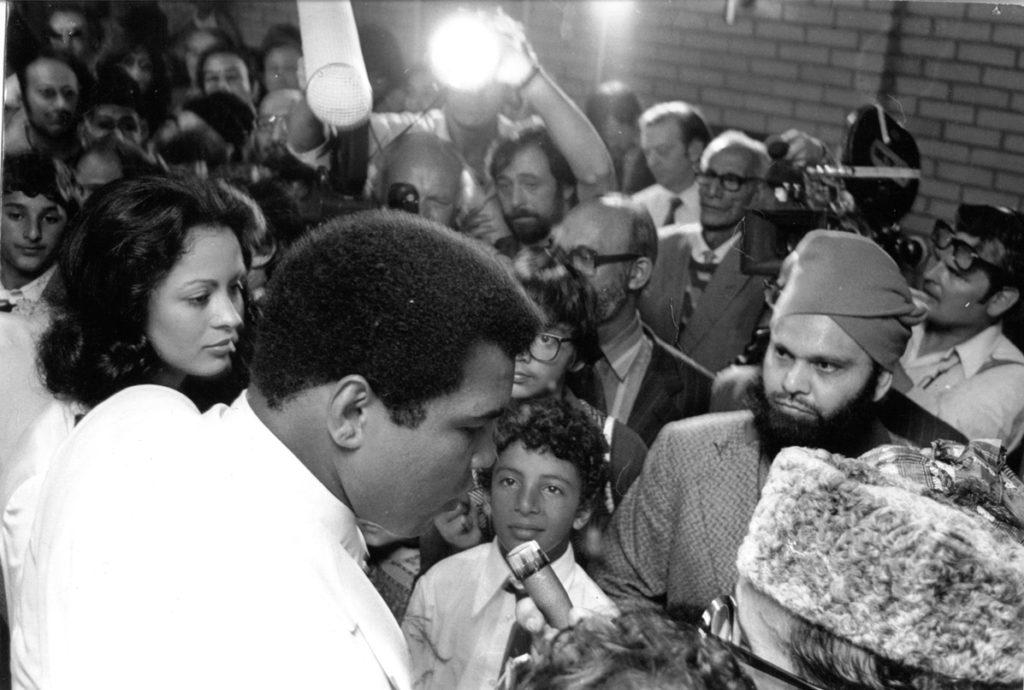
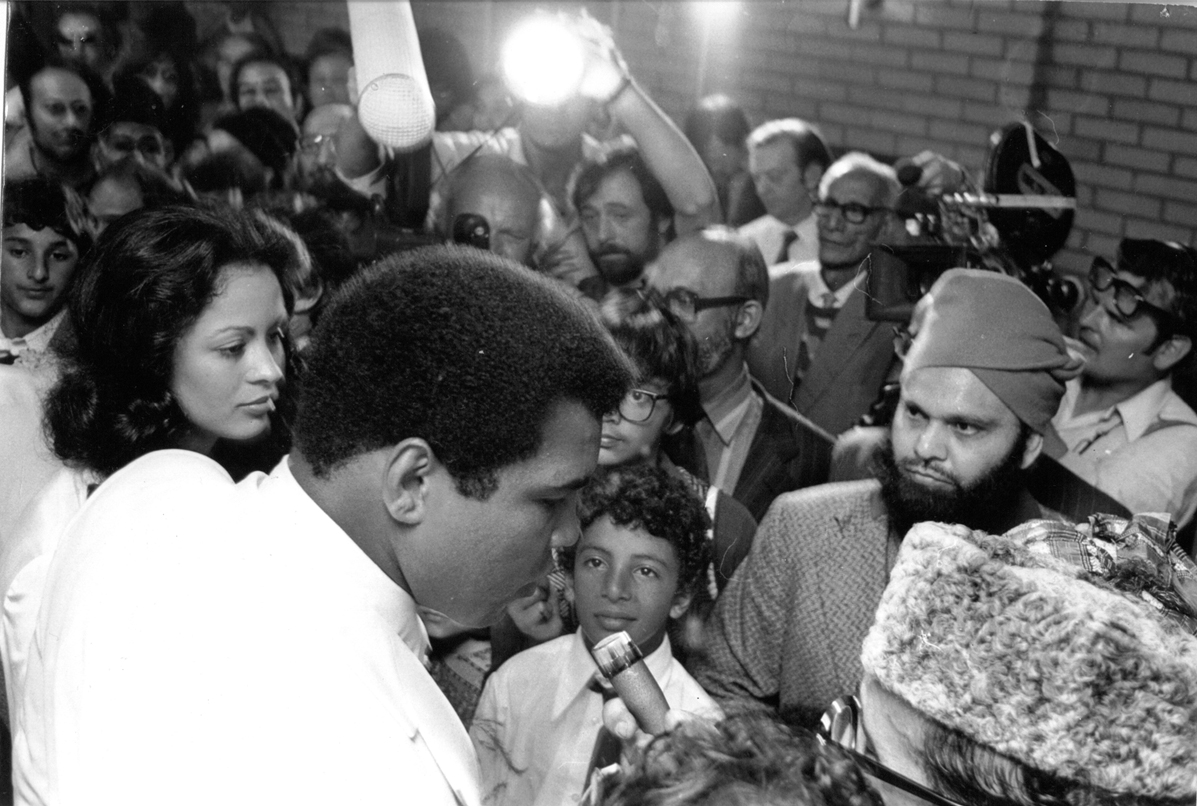
THE KING OF SOUTH SHIELDS, 2006, Documentary, Ali’s arrival in Newcastle
‘The King of South Shields’ is the story of how an individual can have a lasting effect on the lives of many other people. Something you could almost call ‘the butterfly effect’: the power of one person to effect positive change in the lives of those he touches.
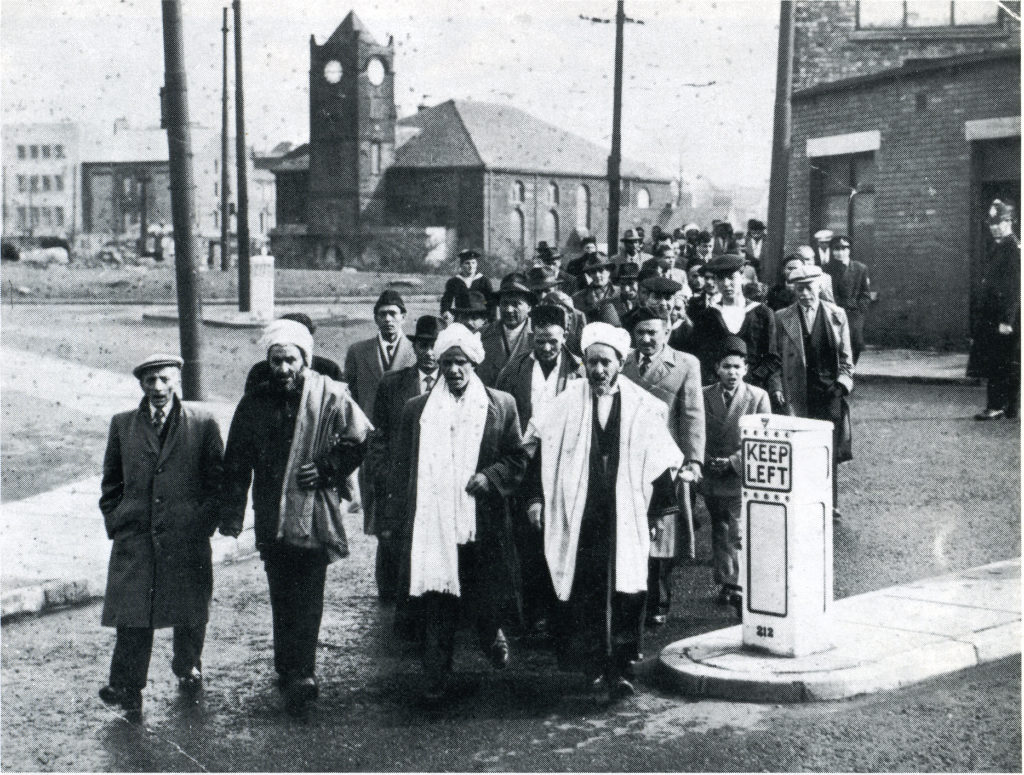
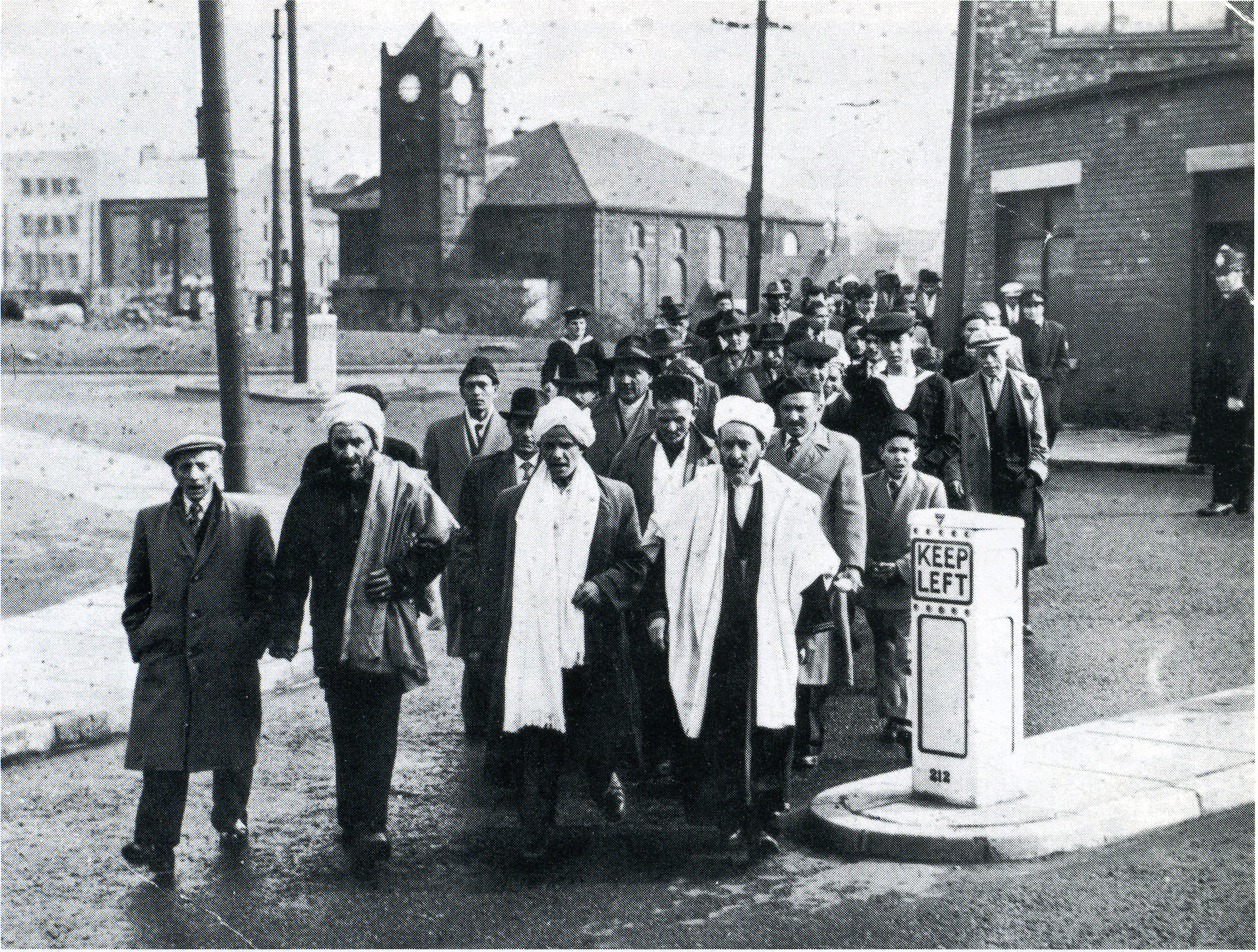
In 1977, the world’s most famous black man, most recognizable Muslim, and three time Heavyweight Boxing Champion of the World came to a small industrial shipping town in the North of England. At the time, he was probably as famous as anyone in the world, right up there with Elvis, the Beatles, and the Queen. In fact, the Queen herself was in South Shields the day before, celebrating her Silver Jubilee by touring the Country, but on the Friday, literally hours apart, South Shields had a visitor of a different kind… And the town roared! It seemed like nothing else had ever happened there - and for the first time, it felt like South Shields was the centre of the world. Muhammad Ali’s arrival was a major event and a long weekend of activities was planned: there was a bus journey around the town, an exhibition fight, a darts match, and visits to the Boys’ Club and a Special Needs School…
However, on the Sunday of that weekend, Muhammad Ali and his second wife, Veronica Porsche, had their wedding ceremony blessed in the Al-Azhar Mosque on Laygate. Amongst the crowds who flocked to see the proceedings were many young Muslim/British men and women who had lived in South Shields all their lives. The ‘Greatest of All Time’ was getting married in their Mosque. This film traces the stories of those young men and women, discovering for the first time why Ali decided to perform this most sacred of ceremonies in a mosque thousands of miles from his home. Why did he decide to come to South Shields? And why was there in 1977 such a rich and long-standing Muslim community in the North East of England ready to great him when he arrived?
Today… a lifetime away. The shipping industry has disappeared from the Tyne, the men who came to work in South Shields - from exotic places like the Yemen, Somalia, and India - no longer come and the region is busying itself with cultural tourism, regeneration, and other distractions. A lot has been forgotten. And slowly slipping from the collective memories are the remarkable events which highlight that multi-culturalism is as British a tradition as fish and chips. The Yemeni Arab community in South Shields dates back to at least 1890. It is one of the oldest existing integrated Muslim communities in Britain, yet a perpetual myth is that Britain is white and that migration is a relatively new phenomenon (if you read the Daily Mail!). The people of South Shields are proof that Britain is not a monoculture.
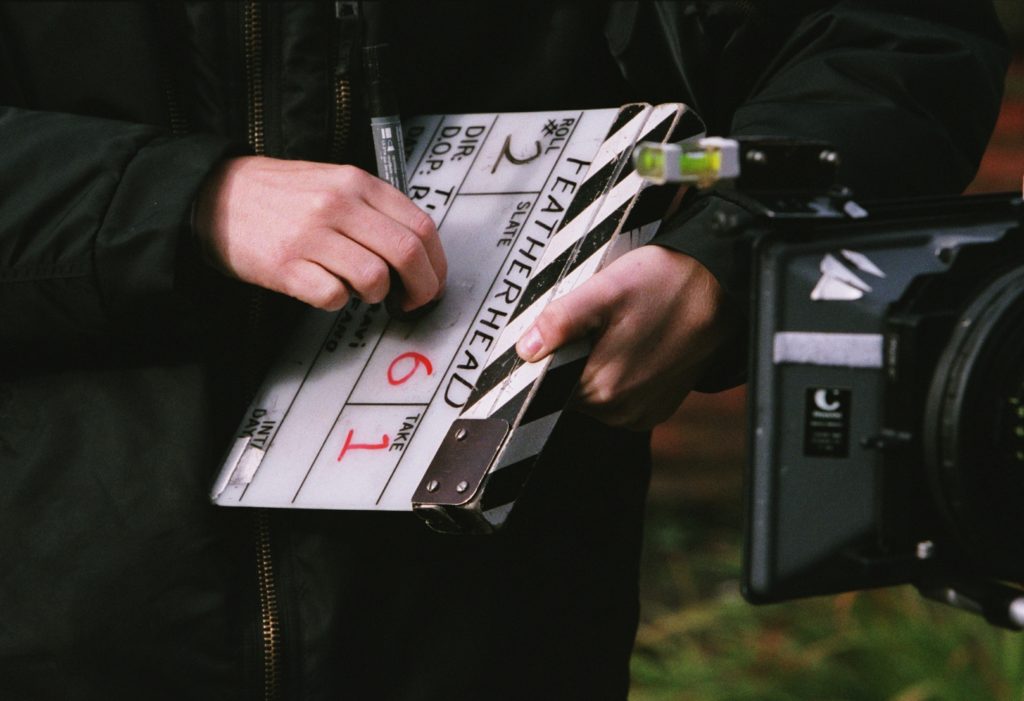
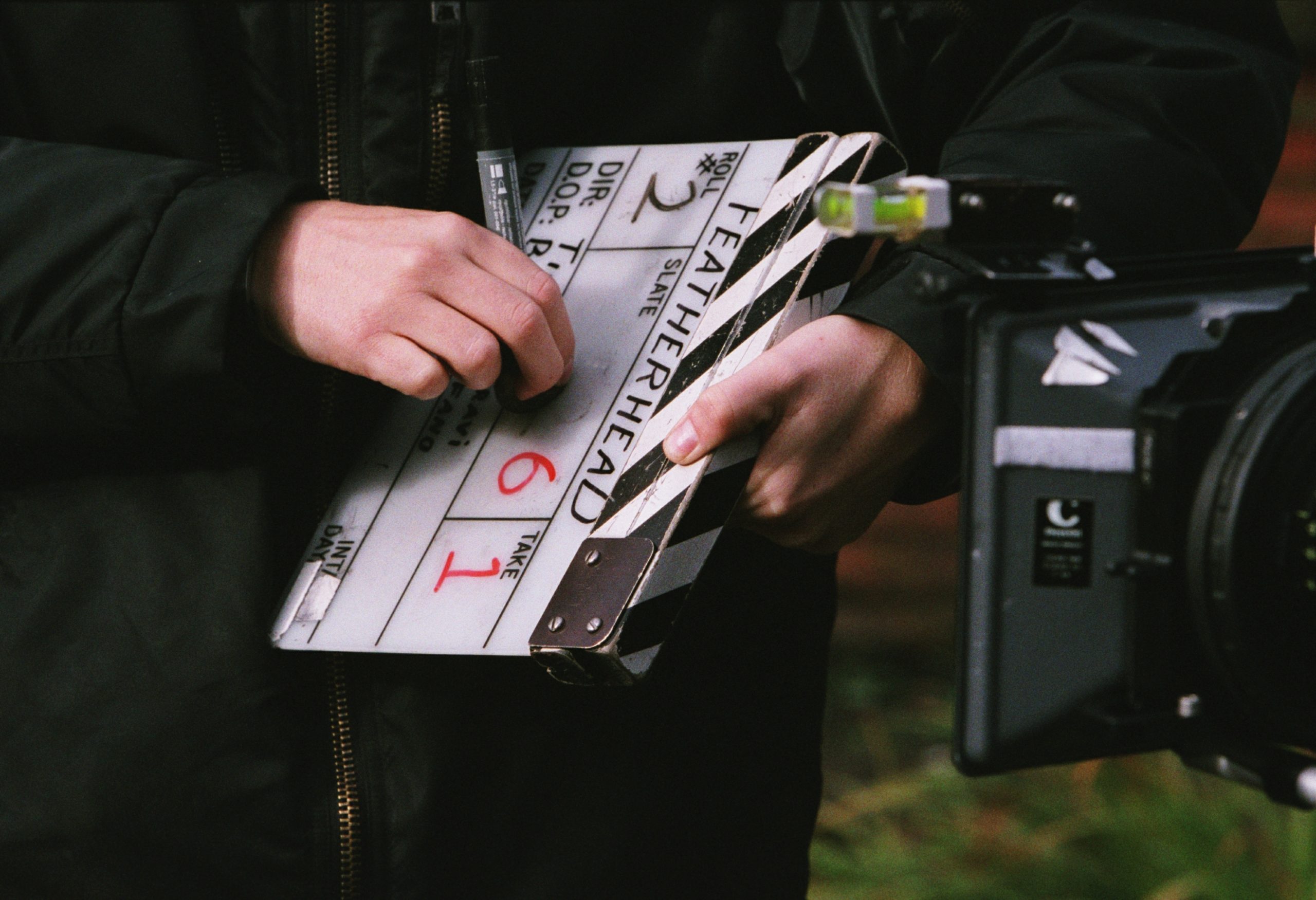
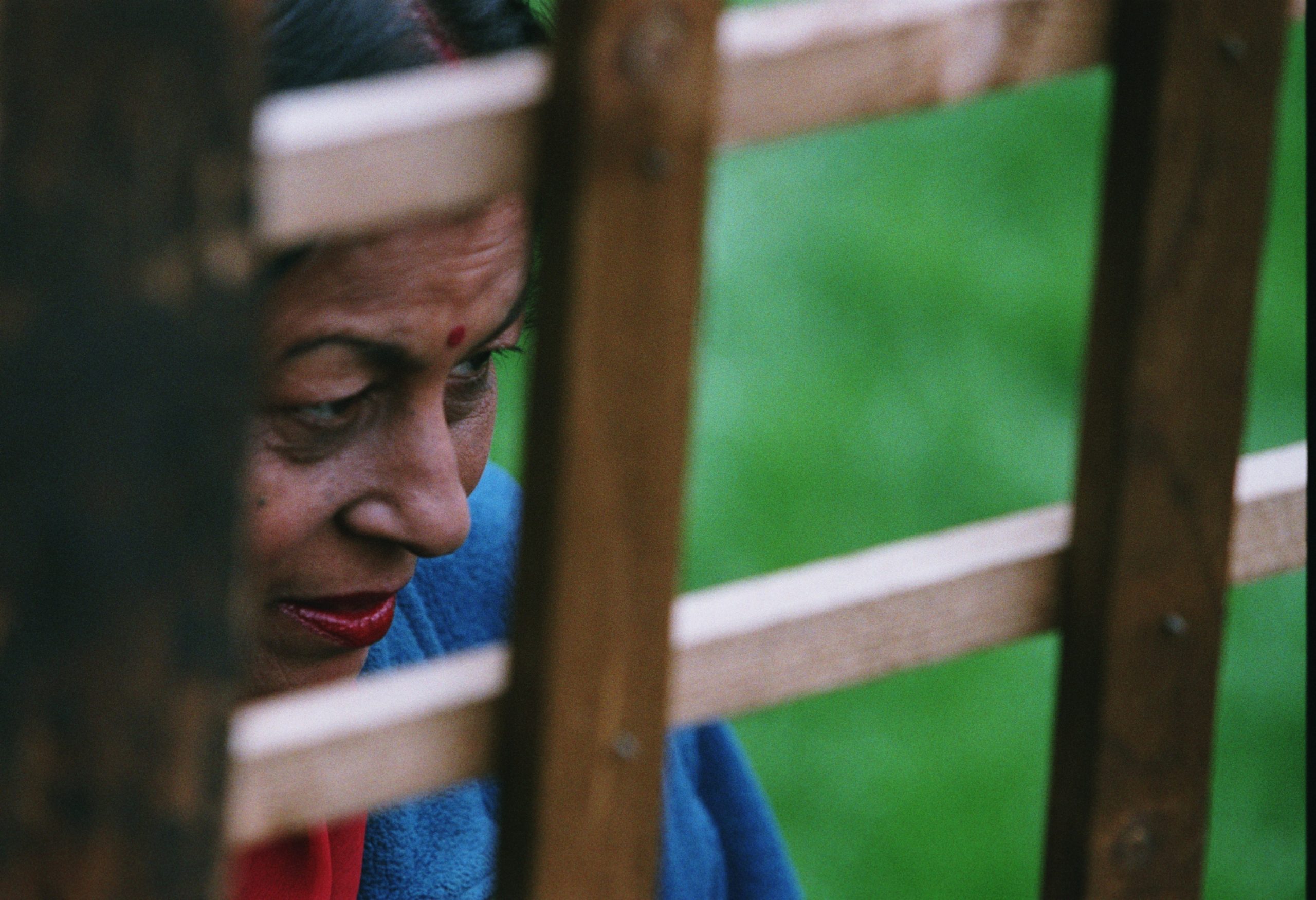
FEATHERHEAD, 2005, Short drama commissioned UK Film Council
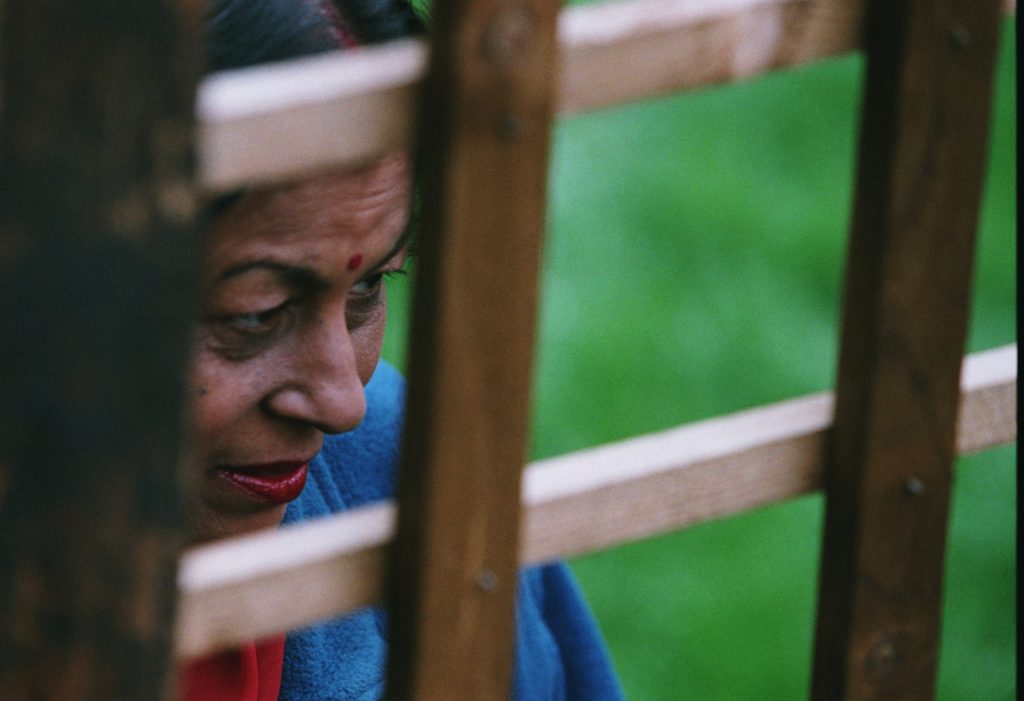
Featherhead is a poignant tale of a lifelong love that is tested to the limit. As John’s wife’s Alzheimer’s progresses he is barely able to cope and becomes visibly aggressive. Arathi, an elderly Asian neighbour who sees the situation decaying from across the fence must decide if she should intervene. Cultures collide as the situation becomes even more tragic. Stunningly filmed by internationally renowned cinematographer, Brian Tufano (DOP of Billy Elliot, East is East, and Trainspotting), the film leaves you with a unique empathy and understanding of a subject that is rarely discussed. Distributed by Alzheimer’s Society.
BREAD, 2005, documentary installation
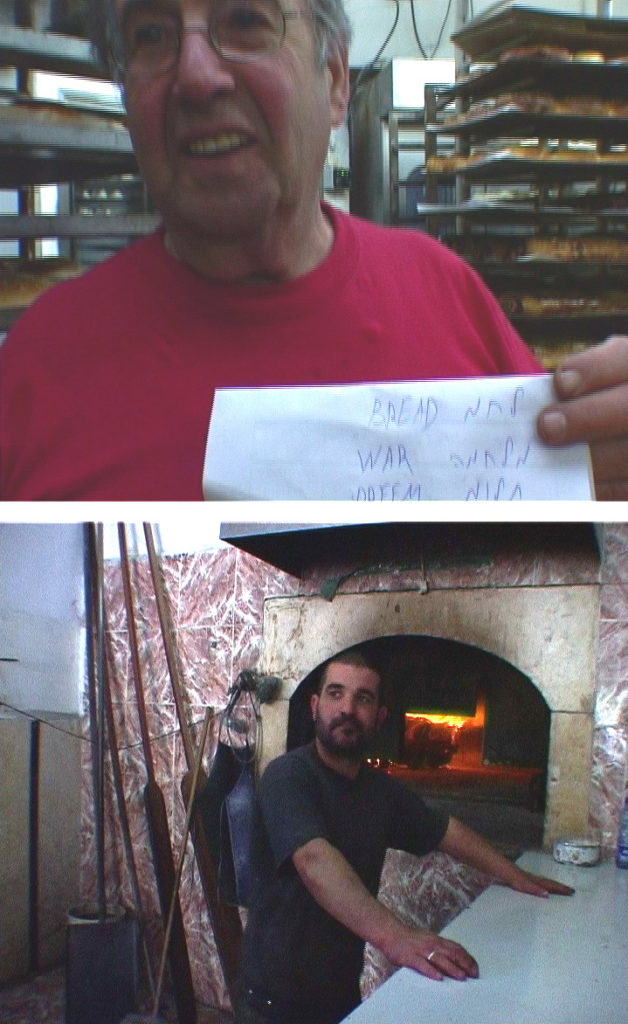
A documentary film installation about a day in the life of two bakeries - one in the West Bank in the Occupied Territories of Palestine and one in an Ultra-Orthodox district of West Jerusalem. In each bakery, we follow the story of one Palestinian and one Israeli as they go about their daily tasks.
Danny runs a bakery in Jerusalem, founded by his father in 1929, and in a part of town that is increasingly becoming a conservative religious stronghold. His shop is popular and people come from all parts of the city to buy their Shabat bread.
Khalid is a former Hamas member who learnt to make bread during his years in jail. Now his Hebron bakery is known as the best in town and isa popular treat for families on a Friday evening.
This installation documentary is a unique method of telling stories that cross the divide. The project invites the viewer to engage with human stories of this resonant conflict and to keep an open mind about life on both sides of the Wall of Separation.
As each character relates his experience, the stories unfold and contrast, often ironically, revealing the humanity behind the conflict; telling us new stories about the way we live, what is happening around the globe, as well as in our own neighborhoods.
This observational documentary captures a unique and highly contemporary snapshot of the Middle East. The screen acts as a metaphor for the Wall of Separation. The projected stories seem to tell us that truth is ambiguous. Are there ‘good guys’ and ‘bad guys’? Are there more similarities than differences?
THE INSTALLATION
A suspended screen transects the center of a large darkened room. On either side of the screen is the image of a bakery; one in Israel and one in Palestine. These tell the stories of Danny and Khalid. In order for the viewer to see the stories, they must move between sides of the screen. Movement activates the film. Both sides must be considered, yet only one screen can be seen at a time.
In addition, we will use interactive motion-capture technology to monitor the number of people who are ‘resting’ on each side. We have devised a way of looking at the number of people on each side of the screen and compensating for their movement (or lack of movement). The installation would work equally without this element, but the use of technology to ‘monitor’ and add an element of ‘security control’ adds an appropriate edge to the project.
To see the installation in Shanghai, China click below:
http://www.intrude366.com/en-US/intrude366/Project.aspx?articleid=707
A TOWN LIKE LACKAWANNA, 2004, Documentary
A timely observational documentary focusing on the attitudes of two distinct groups of men, American-Muslims from the Yemeni community and those from white European backgrounds, who once worked in the former steel mining industry in Lackawanna, near Buffalo, New York.
The documentary records these two groups talking about the changes in their communities and the shift in attitudes since 9/11 and particularly following the arrest and trial for terrorism offences of the so-called Lackawanna 6 (6 American-Yemeni young men arrested under Bush’s retrospective anti-terrorism legislation). The film challenges traditional methodology of documentary storytelling and presents a unique anthropology of a particular time and place.
Commissioned by Hallwalls as part of a highly prestigious residency programme sponsored by the National Endowment for the Arts (USA).
The Hallwalls Media Residency in Buffalo NY has been running since the 1970s and is a prestigious invitation for artists in the US. It is supported by the National Endowment for the Arts. A Town Like Lackawanna was a result of being invited to undertake a period of residency in America only months after 9/11. As an Iranian-American myself, I found it almost impossible not to confront the issues which presented themselves in the very locality I was visiting, given that the Lackawanna 6 had just been arrested and were in the news. The resulting film of the journey to Buffalo and my journey between the two camps again underlines my investigations into the unseen tension that exists between what is seen and what is left on the cutting room floor. This lyrical film is also very much a self-portrait, as even though I am not the subject of the film and I am not physically present, my “presence” exists and is felt in every scene.
The construction of the juxtaposed scenes also portrays the anguish that many Middle-Eastern Americans experienced at that time. The resulting film has had modest exposure so far but has been broadcast in the US (Community Channel, Buffalo NY).
YOUR REDNESS IS MINE, MY YELLOWNESS IS YOURS, 2002, Kooch Cinema Project
Kooch Cinema Project was established in 2002 by filmmaker Tina Gharavi, in an effort to bring together members of the Middle-Eastern community in the North East of England (mainly of refugee and asylum backgrounds) to share their experiences with the wider community while training them in media production skills. Kooch is a Farsi word meaning ‘nomad’ or ‘migratory’.
The ethos of the project lies in encouraging positive dialogue and enabling individuals to develop in a creative and challenging environment. Over the last 8 years, members of Kooch have produced an impressive portfolio of over 30 short films, which have screened in festivals across the UK and internationally.
The work expanded into anti-racism work in schools alongside such projects as ‘Flight Paths’ and also involved such diverse practices as performance, poetry, installations, storytelling and photography.
2006 saw the creation of i-Kooch, an experimental interactive web-based narrative project that enabled Kooch members to gain digital media skills using new media tools and technologies, while expressing their own unique stories of migration and transition. The project takes the form of a website, continually developed and updated by Kooch group members. Each member develops a non-linear narrative story that unfolds across a timeline that viewers can interact with (including reading blogs, MSN chat, etc). This virtual landscape represents the journeys of migration from their homeland, via the transit countries, to Britain. This brought the work closer to interactive and cutting edge production and afforded wider distribution possibilities for the work.
From 2008, Bridge + Tunnel worked more closely with young refugees and asylum seekers (aged 9- 25) as they developed their feature film project, Ali in Wonderland.